GLOBAL TACTICAL ANALYSIS CENTER
175 ДОКЛАДОВ В КАТАЛОГЕ -- "Pakistan"
Critical negotiations between the US, Iran, and Pakistan address nuclear issues amid fragile ceasefire.
US Vice President JD Vance and Pakistan's PM arrive for negotiations with Iran. This new round emphasizes a 60-day deadline for a technical agreement.
Recent airstrikes by Afghanistan into Pakistan threaten the already precarious ceasefire. This development may deepen regional instability and complicate diplomatic relations.
U.S. weapons stockpiles face strain amid ongoing conflicts, particularly in Iran. Discussions between China and Pakistan on U.S.-Iran memorandum highlight regional tensions.
The US and Iran, mediated by Pakistan, have reached an agreement intended to end over 100 days of conflict. The deal signifies a pivotal moment in regional diplomacy and security.
The assertion by Pakistan's Prime Minister raises significant questions about regional stability and international diplomatic efforts in the Middle East. The outcome of this supposed agreement could have far-reaching implications on US-Iran relations and the broader geopolitical landscape.
Negotiations show potential for a historic deal to end conflict.
Pakistan and Iran have reportedly finalized the text of a ceasefire agreement. This development could significantly impact regional security dynamics and bilateral relations.
Despite a truce, lethal clashes between Indian and Pakistani forces persist in the Kashmir region. The mountainous terrain remains a critical flashpoint for ongoing military tensions.
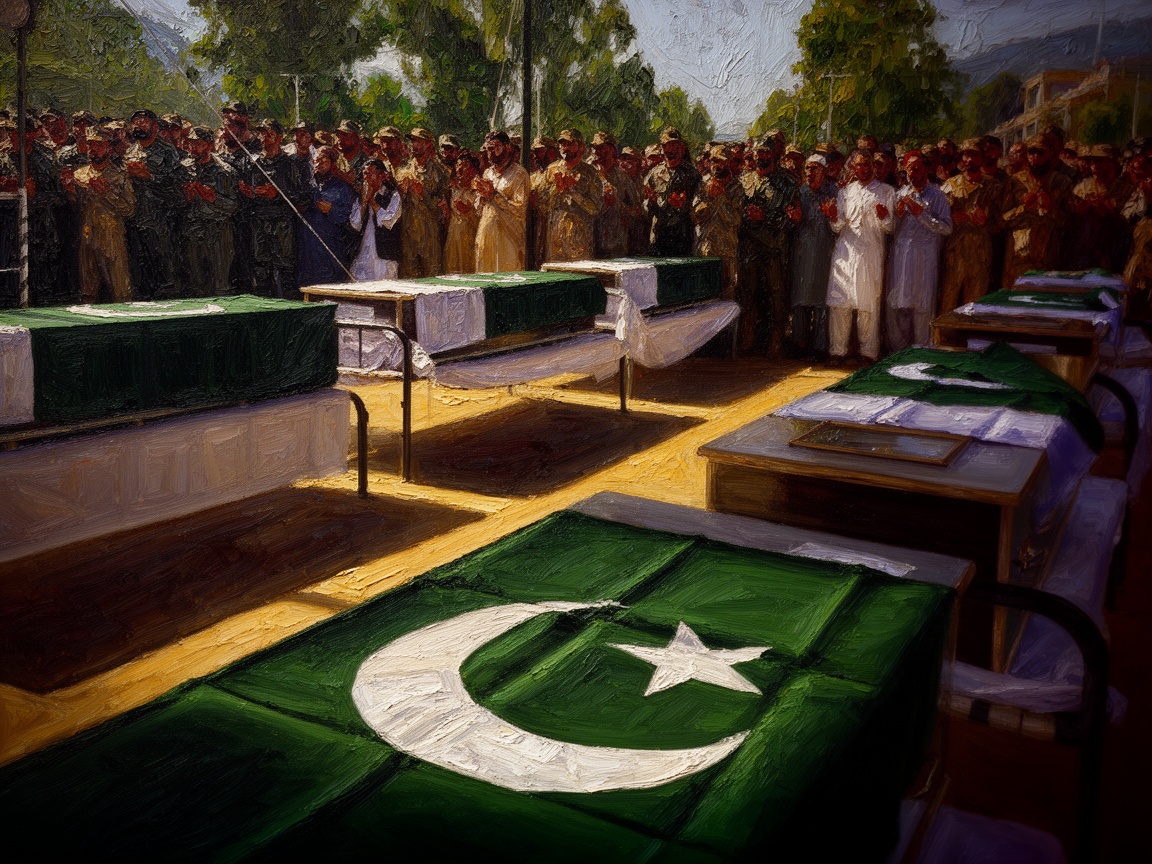
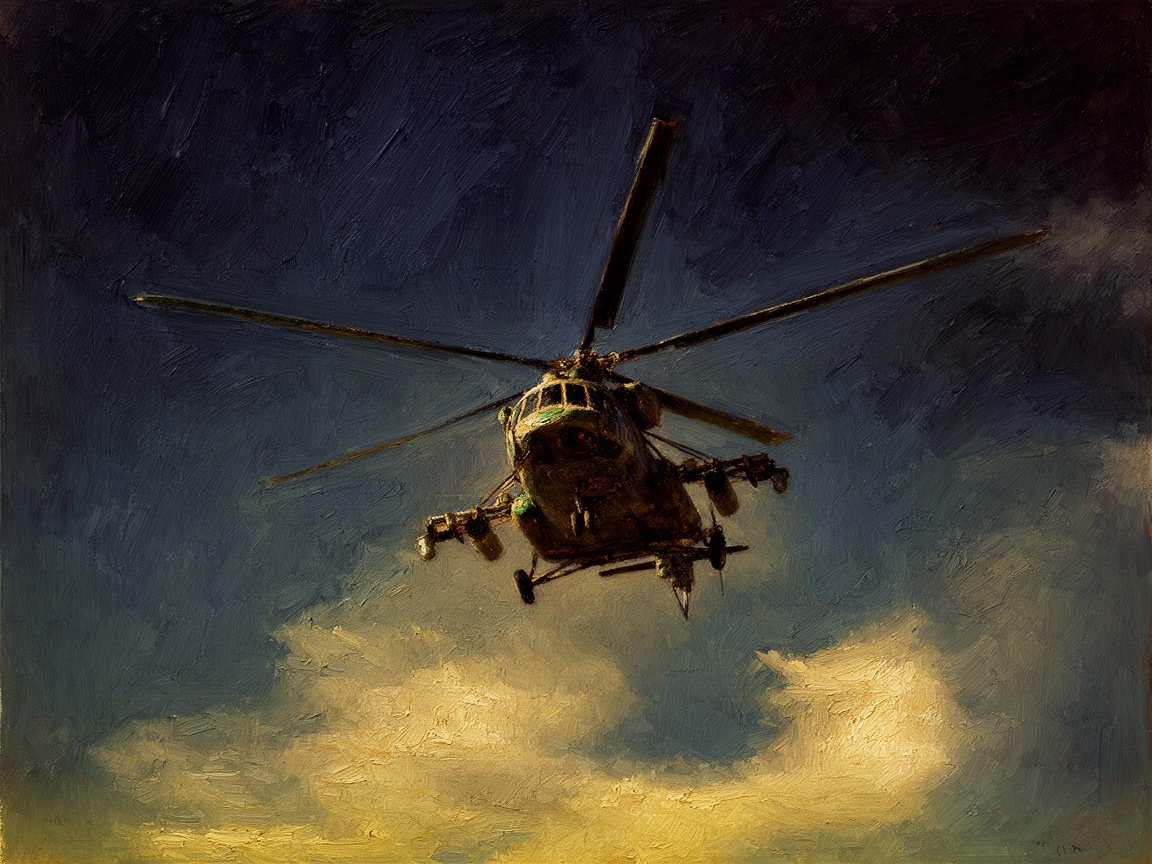
A Pakistan Army Mi-17 helicopter crash has killed at least 22 personnel in Kashmir. The incident, attributed to a reported technical fault, is now under investigation.
Pakistan has launched air strikes in Afghanistan, reigniting long-standing tensions between the two nations. This escalation follows a period of relative calm in the volatile border region.
The crash of a Pakistani military helicopter in Kashmir's Muzaffarabad resulted in multiple fatalities and highlights ongoing tensions in the region. The incident underscores the precarious security situation as protests have intensified in Pakistan-administered Kashmir.
Comprehensive military weapons database with 1000+ systems. Enable JavaScript for the full experience.