GLOBAL TACTICAL ANALYSIS CENTER
93 ДОКЛАДОВ В КАТАЛОГЕ -- "Philippines"
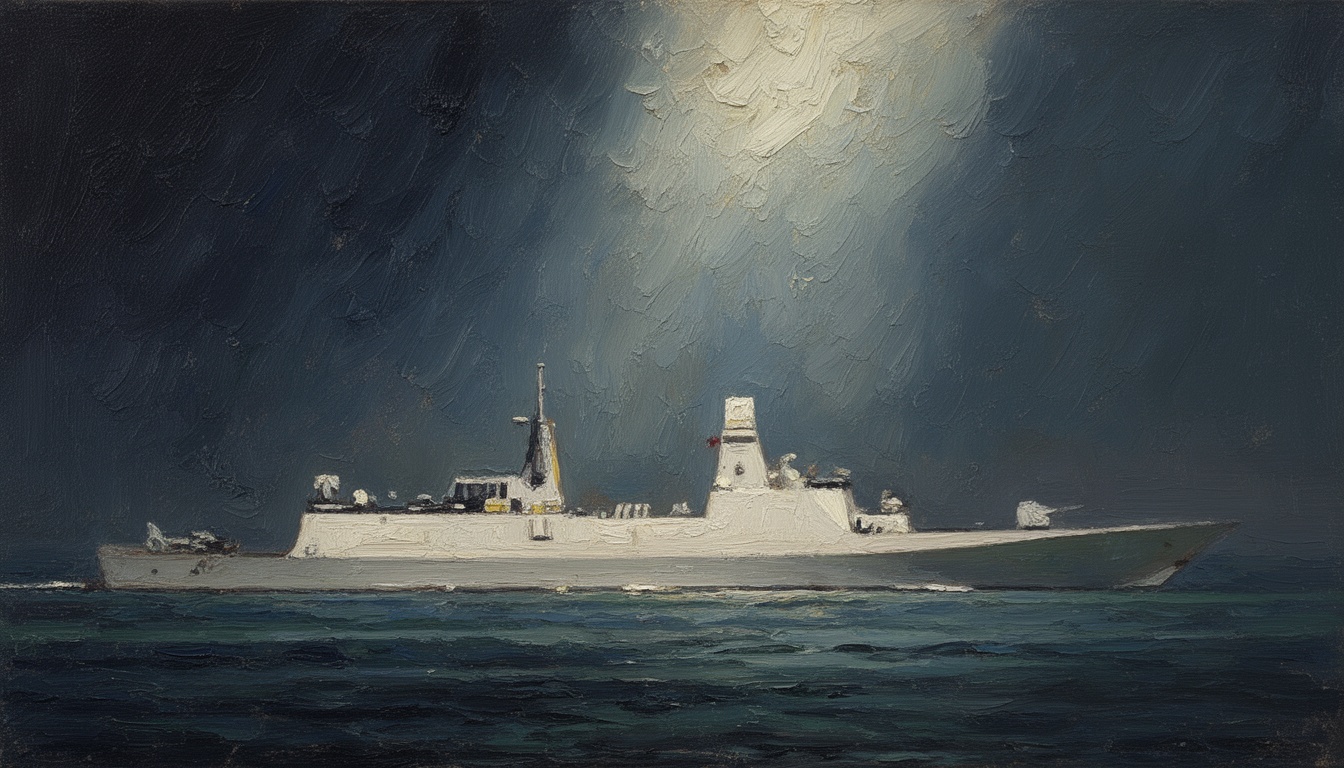
A rare naval confrontation occurred between China and the Philippines near Scarborough Shoal, coinciding with ongoing military exercises involving multiple nations.
China's increased maritime activity near Taiwan intensifies regional tensions. The focus on sovereignty reflects strategic interests amid Japan-Philippines discussions.
Germany's investment in Clark International Airport signals a shift in strategic approach, as economic power gains prominence in global influence. This development reflects the evolving landscape of international defense cooperation.
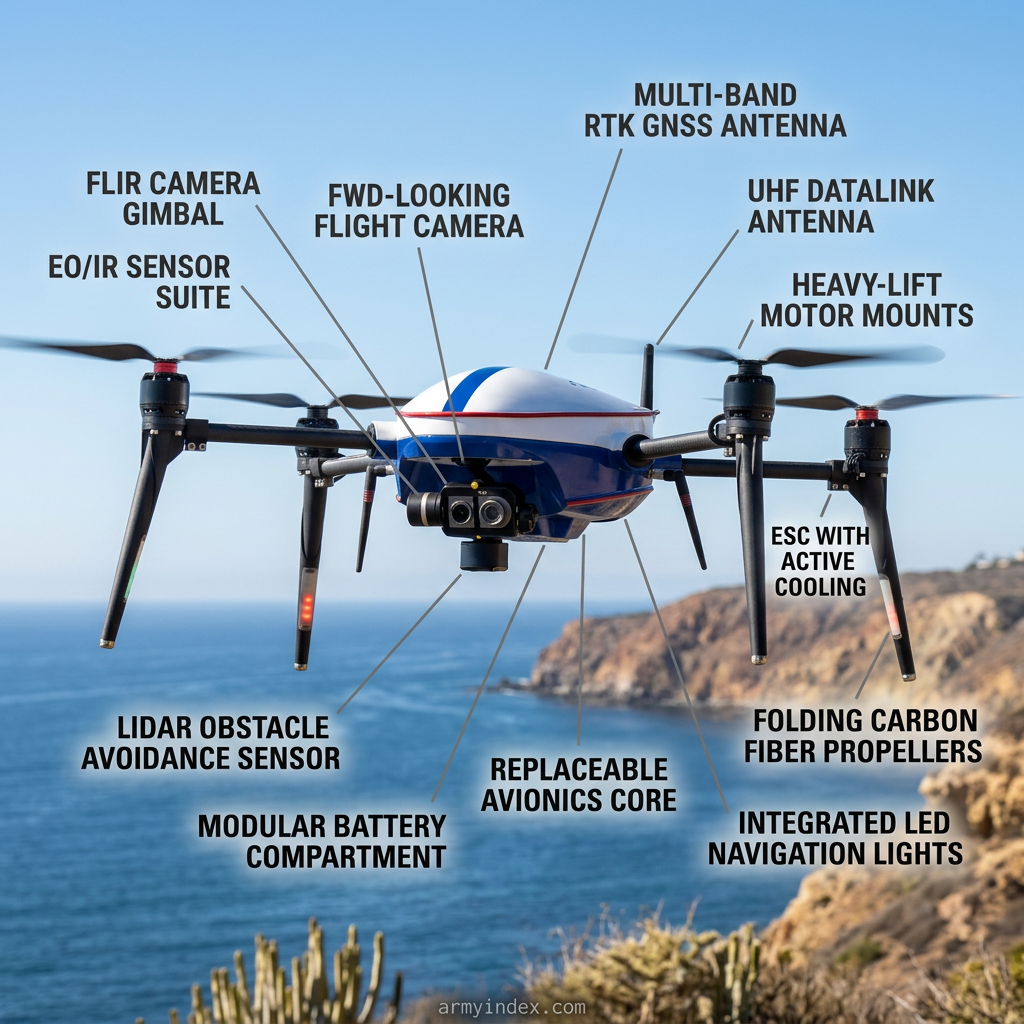
Australia's drone supply enhances Philippine surveillance in the South China Sea, reinforcing deterrence against Chinese aggression.
The US Army's Tropic Lightning Division evaluates lessons learned from recent war games in the Philippines. Major General Bartholomees emphasized the pivotal role of HIMARS in transforming artillery capabilities.
The Philippines asserts military measures to prevent Chinese expansion at Scarborough Shoal. The move escalates tensions in the South China Sea, a region fraught with disputes.
Philippine President Ferdinand Marcos Jr. redefines South China Sea focus. A shared vulnerability perspective may avoid direct confrontation with China.
The drowning of two student athletes highlights dangerous conditions in collegiate sports. Concerns grow over the intense pressures facing young athletes in the Philippines.
Canada and the Philippines have enhanced their defense ties by signing new bilateral agreements for military cooperation. This move signals a commitment to mutual security and capability enhancement.
China's sanction on Defence Secretary Teodoro highlights escalating tensions with the Philippines. Analysts interpret this as a tactical warning to Manila's officials.
China's recent sanctions against Philippine Defense Chief Gilberto Teodoro could escalate regional tensions. The ban also extends to business dealings with Teodoro's family.
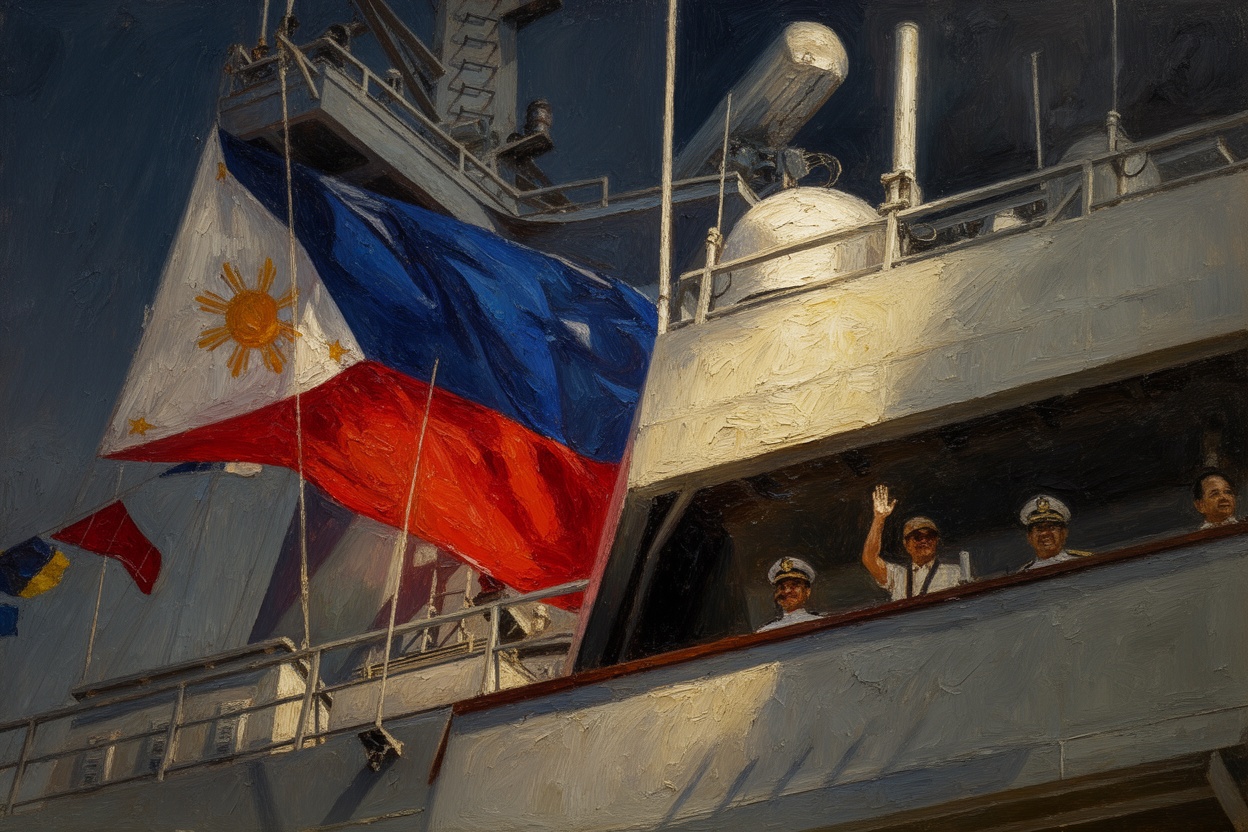
The commissioning of the BRP Rajah Lakandula enhances Philippine naval capabilities amidst regional tensions. This marks a significant milestone for the Philippine Navy.
Comprehensive military weapons database with 1000+ systems. Enable JavaScript for the full experience.