

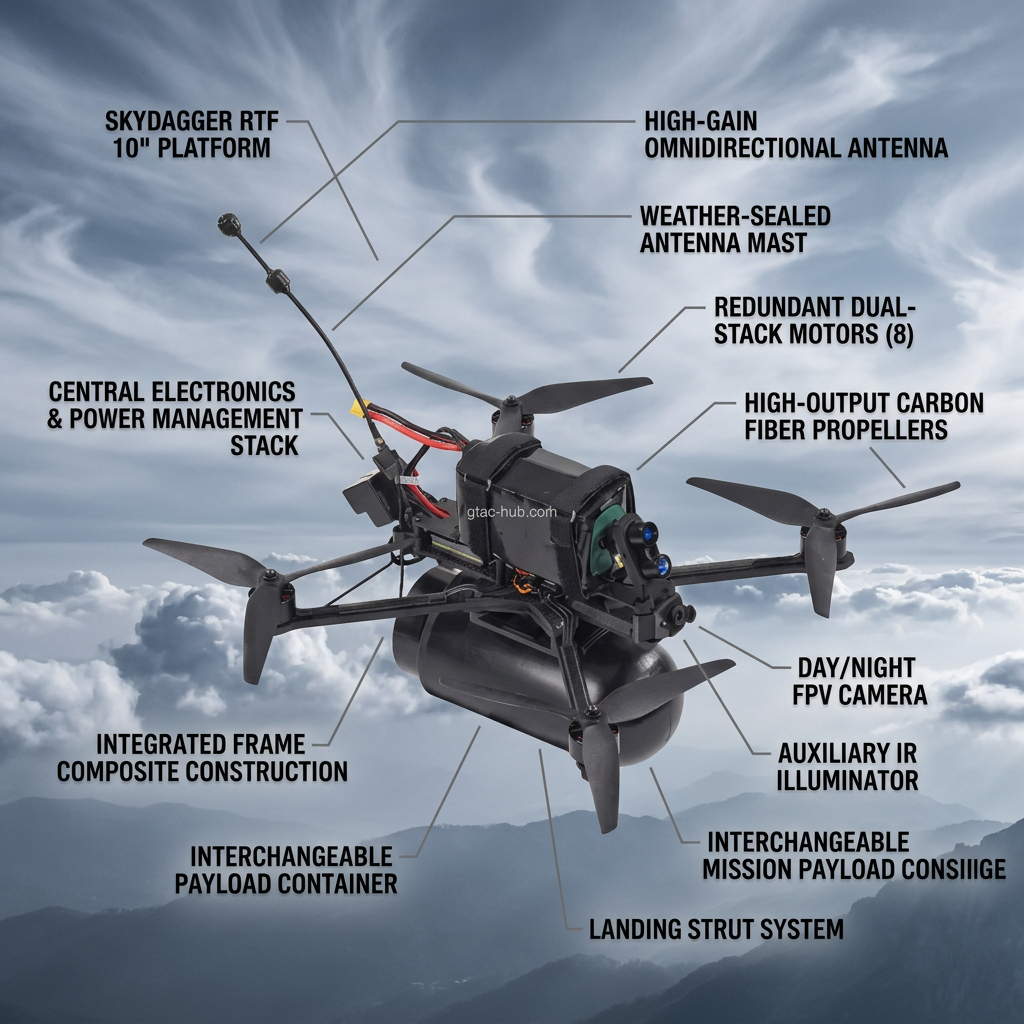
Azerbaijan experienced a significant escalation on Thursday when two drones struck an airport and the vicinity of a school, injuring four individuals. The Azerbaijani government immediately accused Iran of orchestrating these attacks, ramping up the rhetoric by threatening potential retaliation. The strikes represent a critical lapse in Azerbaijani security amid ongoing regional instability, potentially igniting a larger conflict.
The backdrop to this incident lies in the strained relations between Azerbaijan and Iran, especially since the 2020 Nagorno-Karabakh conflict, where Azerbaijan emerged as a more assertive military power. Accusations of meddling and support for ethnic minorities have been ongoing points of contention. The historical animosity, intensified by Iran’s backing of Armenia, creates a volatile environment ripe for conflict, particularly with Azerbaijan’s growing military capabilities and alignment with Israel.
This drone strike significantly alters the security dynamics in the South Caucasus, a region already fraught with geopolitical rivalries. Azerbaijan’s willingness to publicly accuse Iran, while simultaneously threatening retaliation, indicates a shift towards a more confrontational stance. If Baku successfully pinpoints responsibility on Tehran, it may feel emboldened to carry out reprisals, which could involve targeted strikes against Iranian military assets. Moreover, such a course could unravel fragile alliances and provoke Iranian retaliation in unforeseen ways.
Key players include Azerbaijan's government, keen to bolster domestic support through nationalism, and Iran, which perceives threats from its Western-leaning neighbor. Iran’s swift denial of involvement and suggestion that Israel might be behind the attacks indicates a complex game of blame-shifting that could further destabilize the region. Israel could also capitalize on this incident to deepen its covert operations against Iranian interests in Azerbaijan or elsewhere.
Operationally, specifics surrounding the type of drones used remain unclear, though reports suggest advanced UAV technology may have been involved. Azerbaijan has been increasingly utilizing unmanned aerial vehicles in its military infrastructure, potentially hinting at foreign technology transfers or domestic advancements. This incident underscores the tactical implications surrounding drone warfare in modern conflicts, where civilian areas become inadvertent battlegrounds.
The likelihood of retaliation from Azerbaijan raises critical escalation vectors. Should Azerbaijan decide to take military action against Iranian positions, this could lead to retaliatory strikes and a prolonged cycle of violence. Such scenarios could have repercussions beyond bilateral tensions, affecting regional trade routes and international energy supplies through the Caspian Sea, drawing in external powers into the fray.
Historically, Azerbaijan and Iran have had skirmishes dating back to the aftermath of the Soviet Union's dissolution, with the potential for such drone attacks to evoke memories of the brief clashes. The current drone strikes might be seen as a tipping point reminiscent of the 2016 clashes between Armenia and Azerbaijan, which saw escalating military engagements following provocative actions.
Moving forward, international observers should closely monitor Azerbaijan's military posture and Iranian responses, particularly regarding indications of heightened troop movements or military readiness along their border. The intelligence community should assess the vulnerability of critical infrastructure in the region like airports and schools, as well as the involvement of foreign powers, namely Israel and potentially Russia, in the exacerbation of this conflict.