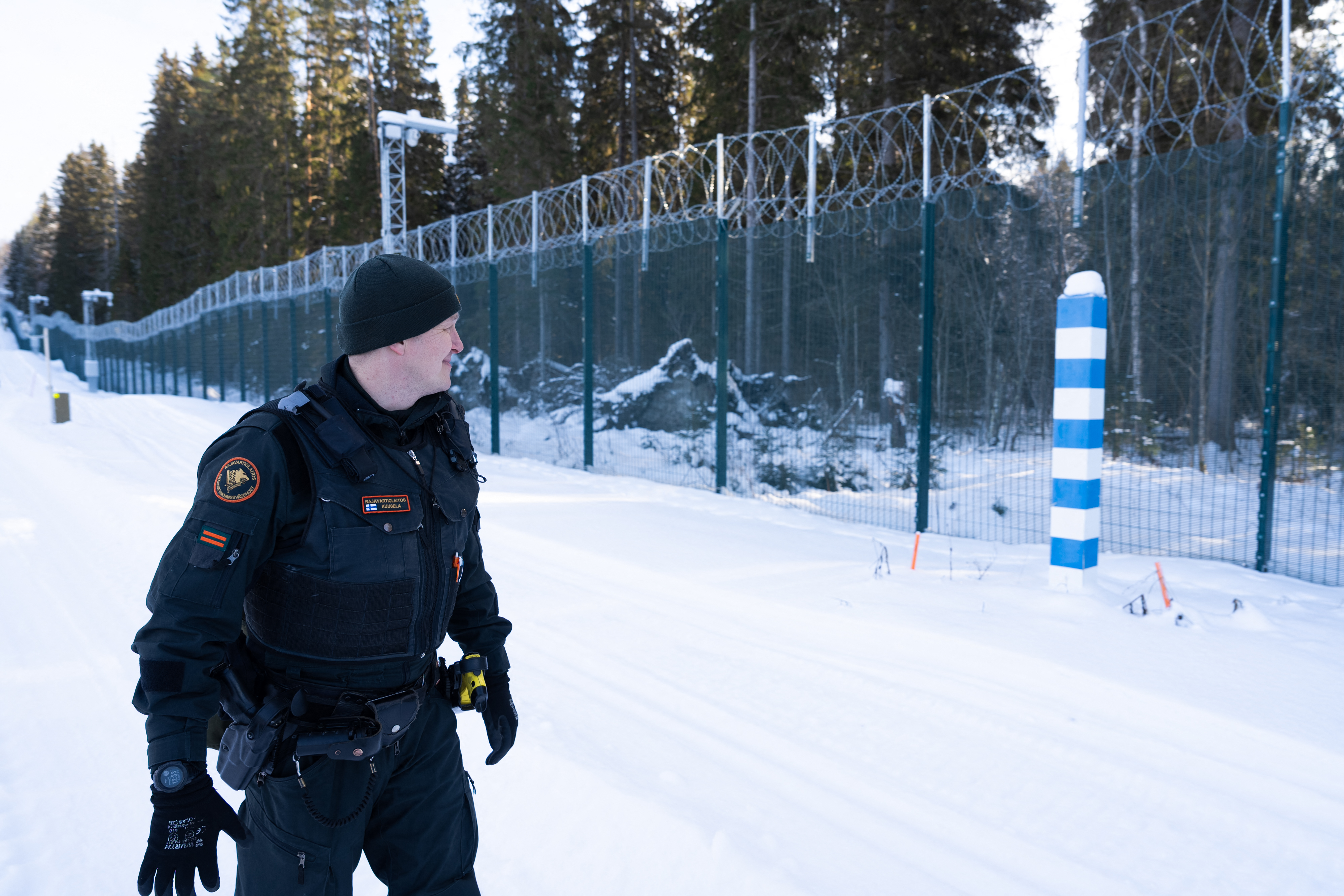
Finland is taking definitive steps to prepare for the hosting of nuclear weapons, a radical shift from its long-standing policy of nuclear non-alignment. The proposed legislative amendment is positioned as a necessary adaptation to align more closely with NATO’s nuclear deterrence framework, following Finland's recent accession to the alliance. This move signifies a critical pivot in Finland's defense strategy, leaving behind decades of restraint regarding nuclear armaments.
Historically, Finland has maintained a cautious approach to nuclear weapons, largely due to its geographical proximity to Russia and the desire to avoid provocation. The country’s policy since the Cold War was characterized by a commitment to non-nuclear status, relying on conventional military capabilities and diplomatic engagement. However, the deteriorating security environment in Europe, underscored by Russia's aggressive posturing and the war in Ukraine, has created a pressing need for enhanced deterrence measures, which now includes the potential deployment of nuclear arms.
This development is significant as it heightens the strategic stakes in Northern Europe, further entrenching the U.S. nuclear umbrella in the region and potentially accelerating an escalating arms race with Russia. Russia has already warned that nuclear deployments in Finland could provoke heightened tensions and lead to countermeasures, placing Finland in a precarious security dilemma. This shift fundamentally alters the regional balance of power and signals NATO’s resolve to respond decisively to perceived threats from Russia.
Key actors in this scenario include the Finnish government, which appears to feel an urgent need to bolster national security through stronger ties with NATO, and Russia, which views NATO's eastward expansion and nuclear deployments as direct threats to its sphere of influence. This policy reversal also reflects broader geopolitical dynamics, whereby nations are increasingly compelled to reevaluate their military postures in response to Russian aggression.
From an operational standpoint, the specifics of the proposed law change include provisions for the infrastructure necessary to support nuclear weapons storage and readiness within Finnish territory. Although exact quantities and timelines for potential nuclear deployments remain unspecified, U.S. nuclear weapons are typically housed in specialized facilities designed to accommodate multi-role fighter aircraft or strategic bombers, implying significant readiness capability is required.
The consequences of Finland's strategic shift are likely to be wide-ranging. Increased military readiness could provoke a range of responses from Russia, including military posturing along its borders and renewed calls for conventional military exercises that could directly challenge beefed-up NATO forces in the region. Finland's decision could galvanize other Nordic countries into similar reassessments of their military policies and alliances.
Historically, nations that have contemplated hosting nuclear weapons have faced widespread scrutiny and potential retaliatory measures from adversarial powers. A notable precedent is the deployment of U.S. nuclear weapons in Italy, Belgium, and Turkey during the Cold War, which not only heightened tensions with the Soviet Union but also risked drawing these nations into direct conflict.
In forecasting the future, key intelligence indicators to monitor include Russia’s military buildup along its northwestern borders, statements from Russian officials regarding NATO's nuclear strategy, and public opinion in Finland as citizens grapple with their country's new defense posture. Additionally, the operational readiness of Finnish military infrastructure for nuclear hosting will be essential to observe as this policy shift unfolds.