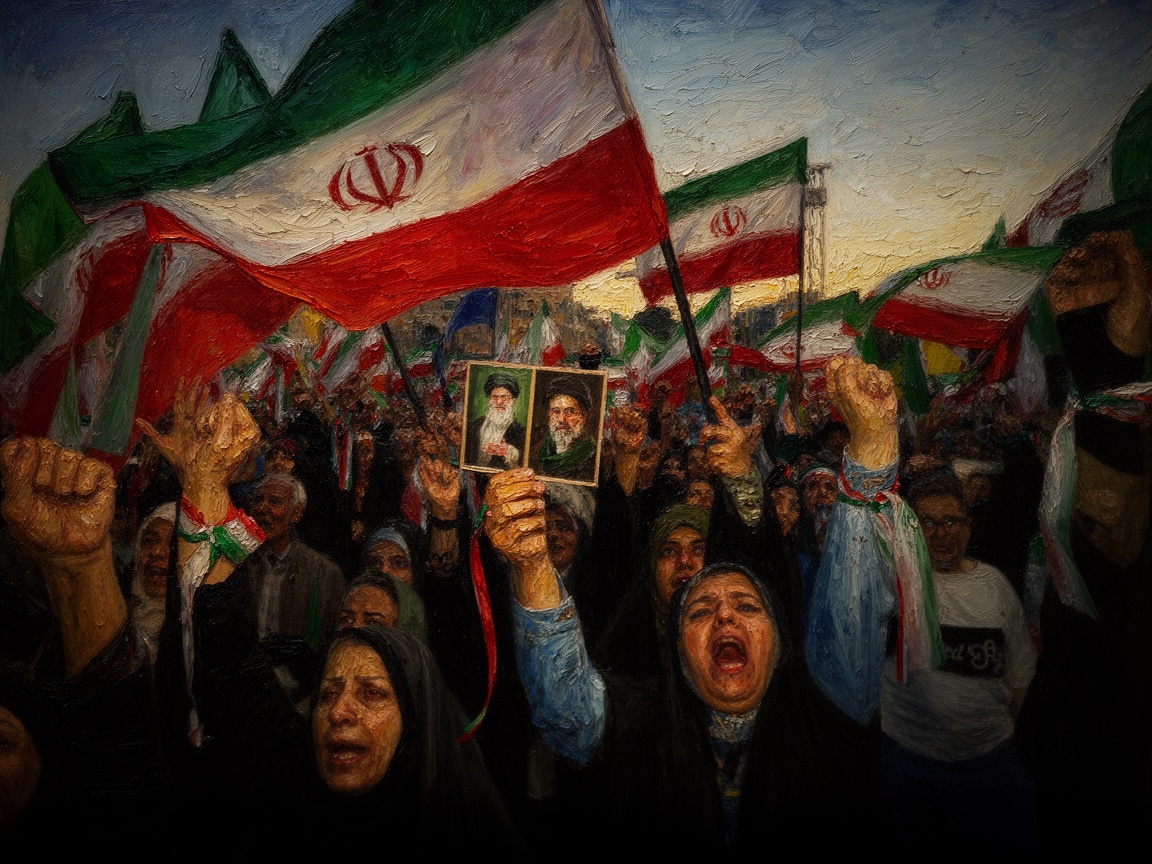
Iran escalates its warning chorus as senior diplomats travel to Pakistan to explore a potential revival of peace talks. The leadership frames the maritime standoff as a central dimension of regional coercion, promising a decisive response if what it describes as an ongoing blockade persists. The rhetoric arrives on the eve of renewed diplomatic engagement and amid heightened pressure from Western capitals over Iranian missile and naval capabilities. Officials assert that Tehran will not accept limits on its maritime sovereignty or its ability to project power along critical supply routes.
The move must be understood in the wider context of Iran's asymmetric deterrence strategy. Tehran has repeatedly linked its regional behavior to what it regards as hostile outside interference and Middle East containment. By tying the prospect of talks to the softening of external pressure, Iran is signaling that any pause in escalation would require tangible concessions rather than mere dialogue. For Pakistan and other interlocutors, the moment tests whether they can negotiate from a position that preserves Iranian strategic autonomy while avoiding direct confrontation with the United States and its allies.
Strategically, Iran seeks to deter a coalition-based blockade of shipping lanes that could degrade its economy and maritime reconnaissance capabilities. The warnings come as Iran seeks to preserve freedom of operation for its navy and allied proxies while preserving a credible retaliatory option. From a balance-of-power perspective, Tehran aims to complicate any decision by Washington to broaden sanctions or military pressure without triggering a broader regional crisis. The messaging suggests a deliberate calibration: push-pull across diplomatic and coercive levers to shape negotiations on broader regional security arrangements.
Technically, the dispute centers on Iran’s maritime and missile posture, with Tehran stressing its ability to respond in ways it deems appropriate to perceived aggression. While public details about exact force dispositions remain opaque, the reference to “naval blockade, maritime piracy and robbery” underscores a framing that mixes coercive diplomacy with potential kinetic risk. Iran’s missile infrastructure remains a central pillar of deterrence, with its leadership repeatedly signaling readiness to mobilize precision and long-range options if necessary. The precise mix of surface ships, cyber capabilities, and land-based missiles in any potential response is likely to reflect a broader deterrence calculus rather than a single operational blueprint.
Looking ahead, the consequences of this standoff hinge on whether diplomatic channels can produce a credible de-escalation framework that preserves space for talks while deterring coercive actions. A failure to deconflict could raise the risk of unintended escalation in maritime theaters and provoke broader regional responses from Riyadh, Tel Aviv, and Washington, each evaluating escalation thresholds. For Tehran, the immediate priority will be maintaining leverage in any peace process while signaling to regional observers that it will not cede strategic autonomy. In the near term, expect sharper rhetoric, more frequent demonstrations of capability, and persistent efforts to frame the blockade as a broader struggle against external pressure—and a test of its political resilience under international scrutiny.