Two months after the initial strikes, the Iran confrontation has settled into a costly stalemate. The pause in frontline hostilities is brittle, dictated by a fragile ceasefire brokered in part by Pakistan. Neither side demonstrates an appetite to concede ground, and periodic skirmishes keep the margin of risk at a high level. The absence of decisive breakthroughs has shifted the crisis from rapid escalation to protracted endurance, with each side calculating the viability of incremental coercion versus open-ended commitment.
Behind the ceasefire lies a web of deterrence calculations and external pressures. Tehran has insisted on the cessation of what it calls unlawful maritime enforcement, while Washington and its allies maintain that pressure must be sustained to prevent a broader regional breakthrough. The collapse of direct talks signals a failure of diplomatic channels at a moment when perception of red lines matters more than battlefield gains. regional actors are recalibrating their alignments, seeking to avoid a broader regional spillover while maintaining room for future leverage.
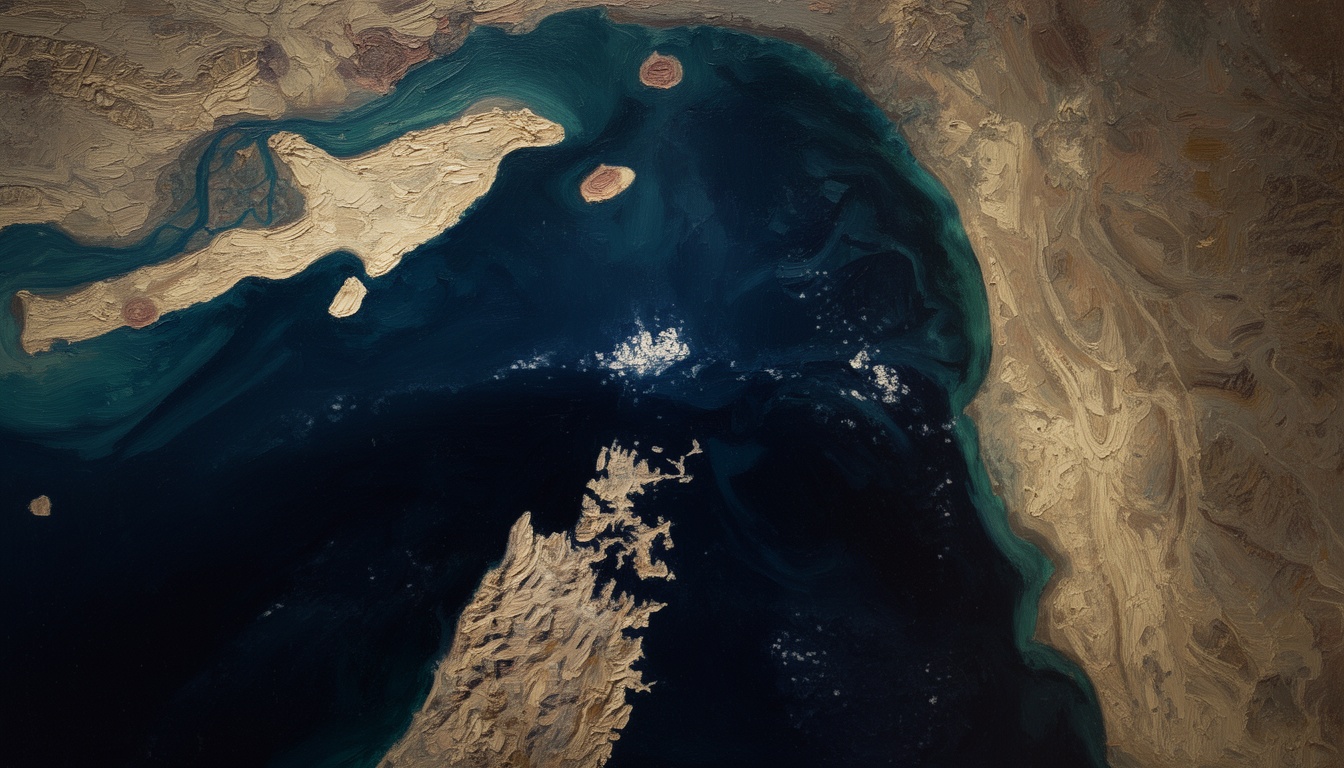
Strategically, the stalemate reshapes the balance of power in the Persian Gulf. The blockade of the Strait of Hormuz, real or perceived, continues to threaten shipping lanes and global energy markets, prompting actors to weigh contingency routes and insurance costs. The military posture on both sides remains prepared for escalation, even as political messaging centers on containment and deterrence rather than decisive victory. A protracted draw would tend to push all sides toward riskier maneuvers to break the deadlock, increasing the probability of accidental clashes.
Operationally, the conflict has highlighted the limits of air and cyber campaigns in achieving strategic effect without a secure maritime flank. Targeted strikes have degraded some capabilities but have failed to deliver a decisive disablement of Iran’s broader deterrent network. The naval dimension remains central: blockades, escorts, and the ability to disrupt counter-blockade options will determine kinetic risk in narrow seas and the resilience of regional economies. If the blockade persists, expect accelerated investment in anti-access/area-denial capabilities and hardened supply chain resilience among Gulf states.
Looking ahead, the risk of a long war with no clear victor raises questions about regional diplomacy and alliance cohesion. A failed negotiation path could push Tehran toward deeper strategic autonomy, while Washington may recalibrate its red lines to preserve legitimacy with regional partners. The next phase will hinge on who can sustain pressure without provoking an uncontrollable escalation, and whether an external mediator can reframe negotiations into a workable compromise. For now, the upper hand remains ambiguous, with both sides paying a rising toll for a stalemate that benefits neither side in the long run.