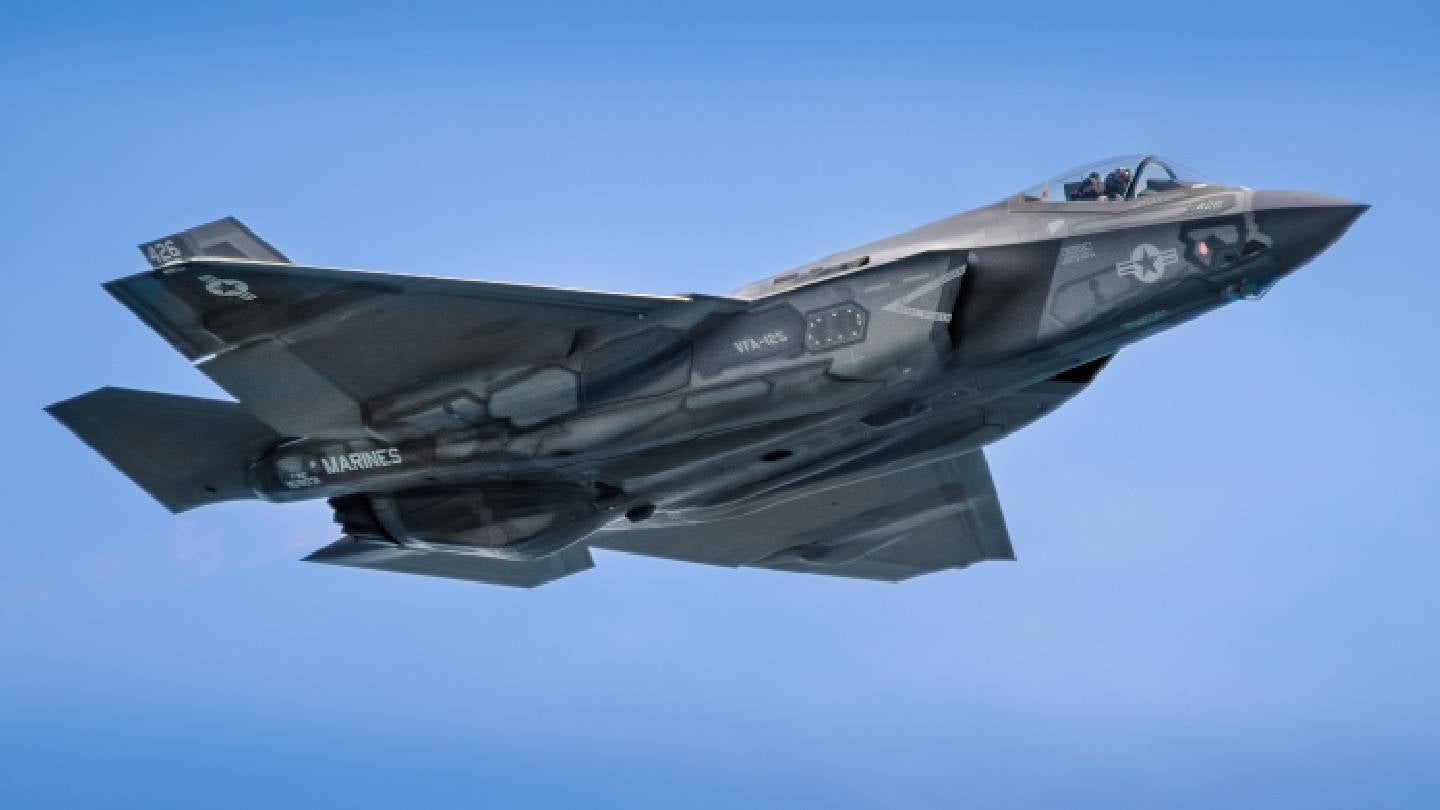
Lockheed Martin has secured a $700.4 million contract modification for the production of F-35 stealth fighter jets, specifically covering the materials, parts, and components for Lots 20 and 21 of the program. This substantial funding underscores the urgency surrounding the F-35 program as military powers fortify their air capabilities amid increasing regional conflicts and technological competition. The modification serves as both an investment in advanced military hardware and a signal of growing tensions among dominant military forces.
The F-35 program has been under scrutiny for over a decade, primarily due to its ambitious aims to create a multi-role stealth fighter that integrates advanced technology with interoperability among NATO allies. Since its inception, the project has faced numerous delays and budget overruns, yet has also established itself as a cornerstone of Western air power. The U.S. military along with partner nations, notably Israel, the UK, and Japan, view the F-35 as an essential component to counterbalance adversarial threats, particularly from Russian and Chinese aerial advancements.
This contract modification is significant as it illustrates not only Lockheed Martin's continued dominance in the defense sector but also highlights the prevailing security dynamics shaping military procurement decisions. With an escalating arms race and increasing investments into advanced aerial systems from near-peer competitors, the reaffirmation of support for the F-35 program emphasizes the need to maintain technological superiority in air warfare.
Key actors in this scenario include the U.S. Department of Defense, which remains committed to the F-35 despite costs, and Lockheed Martin, which is incentivized to push production forward for profit. The increasing budget allocations for this fighter jet program signal a strategic priority for the U.S. and its NATO allies, seeking to deter adversaries by demonstrating robust air power capabilities. More than just an economic decision, these funds reflect a geopolitical stance against rising military posturing from China and Russia.
From an operational perspective, the F-35 program represents a multi-faceted advancement in aerial combat systems. The aircraft is equipped with state-of-the-art stealth technology, advanced sensors, and network capabilities, allowing for integrated operations with allied forces. The contract's $700.4 million adjustment will facilitate a smoother production line and bolster the supply chain, ensuring critical components are delivered to meet increasing demand across partner nations.
The consequences of this funding are likely to be significant. The F-35's integration into various air forces could lead to a reconfiguration of air combat strategies and potentially provoke neighboring countries to accelerate their own military spending. As allied nations enhance their air capabilities, the prospect of arms races and escalating conflicts may become more pronounced, feeding into existing geopolitical tensions.
Historically, similar scenarios have played out with past fighter jet programs, such as the F-22 Raptor and Eurofighter Typhoon, where nations responded to perceived technological shifts with increased military budgets. These precedents suggest that the current investment in the F-35 program may lead to heightened regional rivalries, especially in areas like the South China Sea and Eastern Europe.
Looking forward, defense analysts should monitor not just the production timelines of the F-35, but also procurement developments among potential adversaries. Indicators of escalating military readiness from rival nations will be critical to understanding the broader implications of this contract modification. Expectations of aircraft deliveries and foreign military sales may also serve as barometers for shifting global power dynamics as nations position themselves for future conflicts.