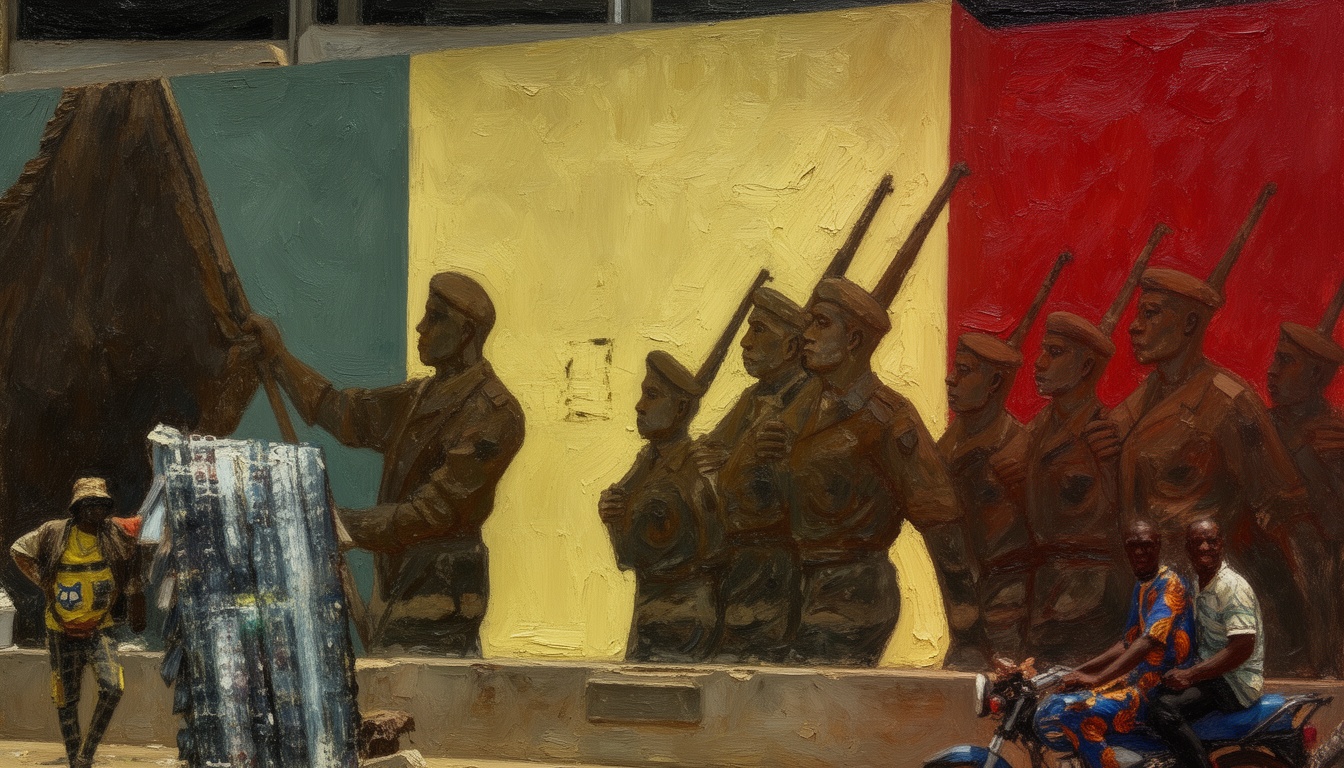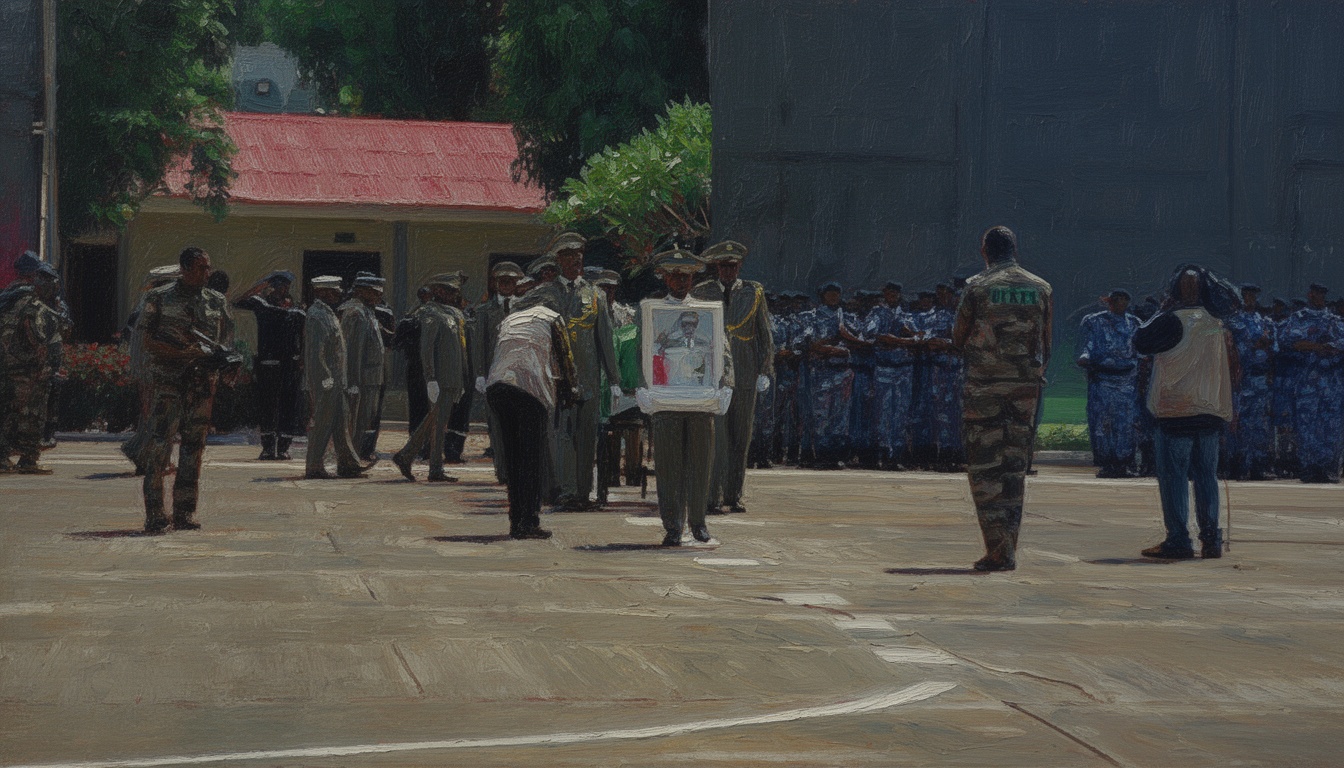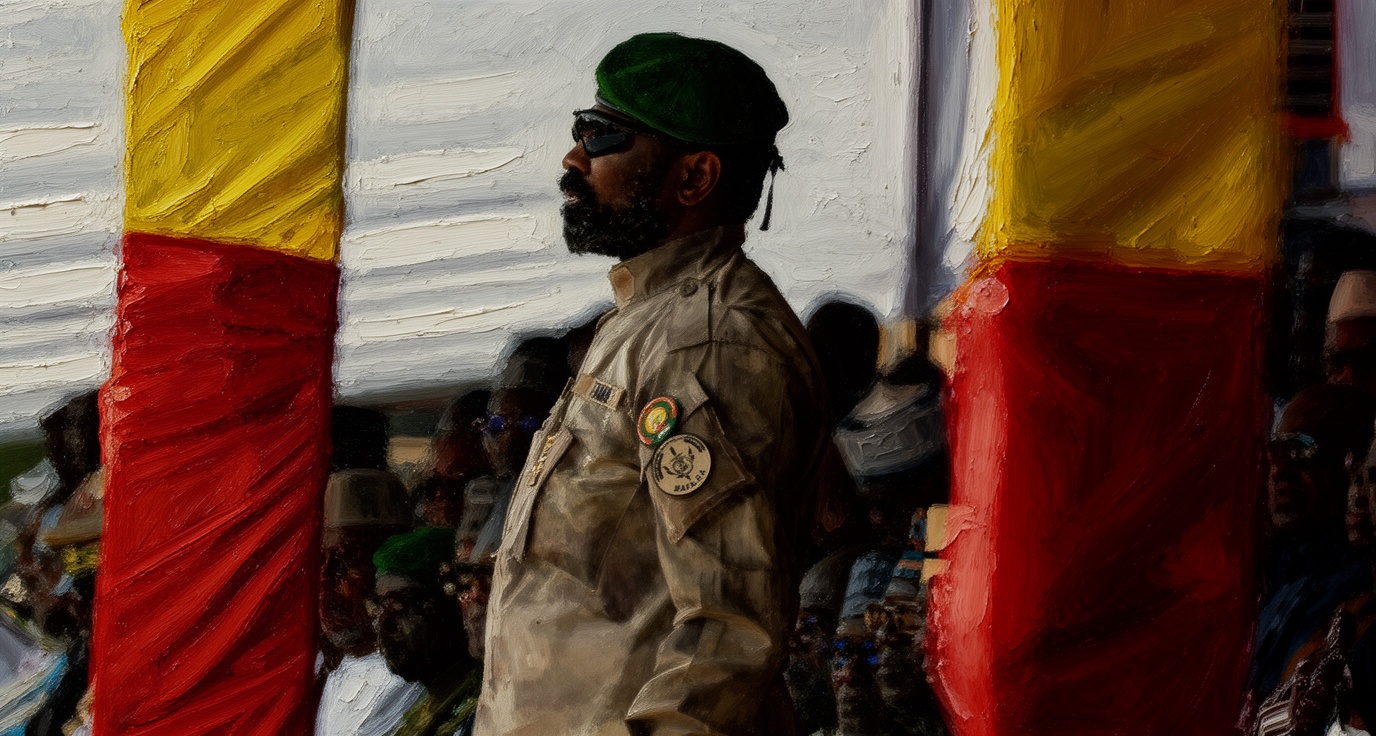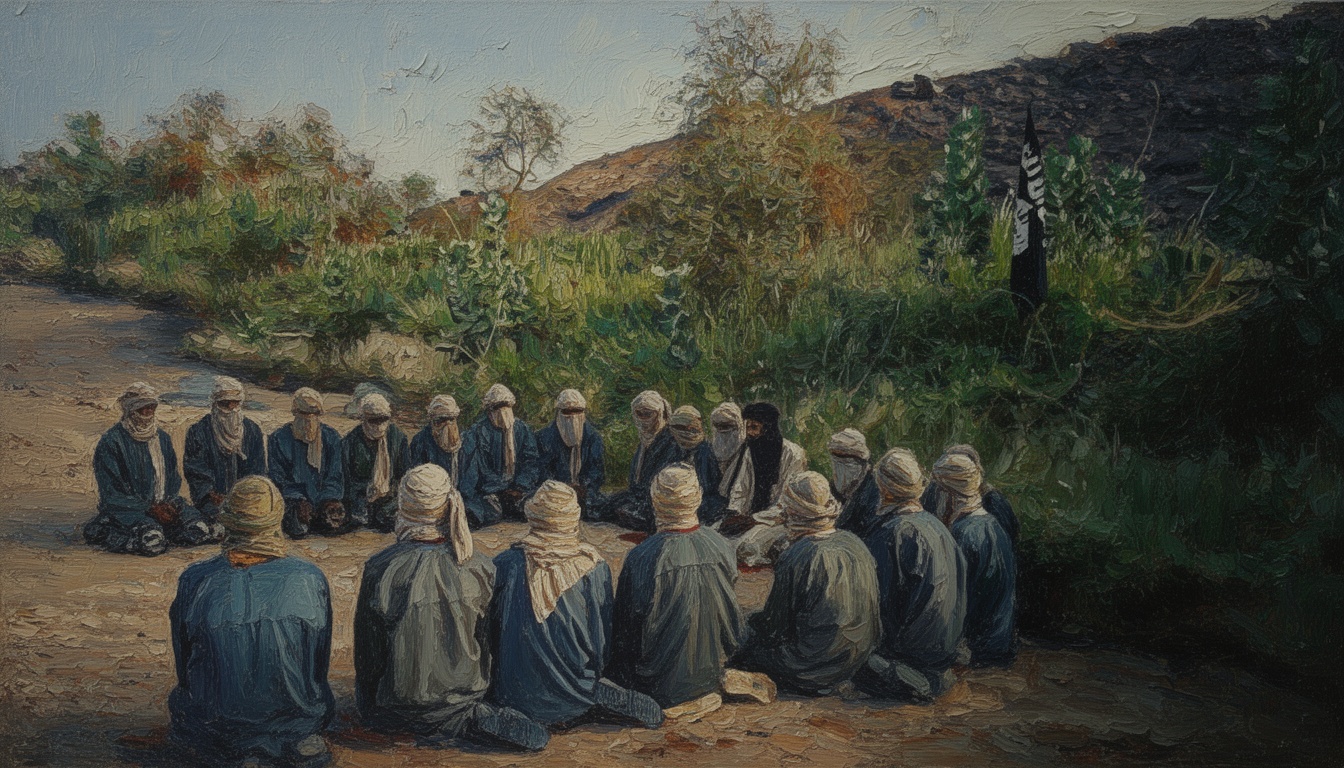
Mali's ongoing struggle to restore peace and security is increasingly characterized by a heavy reliance on military approaches. Colonel Assimi Goïta's administration emphasizes militarized governance as the primary strategy to tackle the multifaceted issues plaguing the nation. This approach, however, raises concerns about the efficacy of relying primarily on military solutions in resolving deep-rooted social and political conflicts.
The backdrop to the current crisis in Mali is a complex combination of historical grievances, insurgent violence, and socio-economic challenges. Dr. Folahanmi Aina, a noted political scientist, analyzes how Mali's situation has evolved into a scenario where external partnerships and military interventions have overshadowed essential political dialogue and governance reforms. This militarization of governance may seem effective temporarily, but it fails to address the underlying causes of unrest.
Strategically, relying heavily on military power can lead to critical miscalculations. It often overlooks the importance of diplomatic engagement and community-led initiatives in fostering long-term stability. The current trajectory under Colonel Goïta raises alarm as it risks deepening Mali's divisions and entrenching cycles of violence, rather than paving the way for a resilient peace.
Operationally, this emphasis on military action can divert resources from necessary social programs and development initiatives. The current strategy lacks a cohesive plan to integrate humanitarian efforts, infrastructure development, and political dialogue. As insurgent groups continue to exploit the vulnerabilities of the populace, the effectiveness of military operations diminishes without complementary strategies addressing the broader socio-economic landscape.
Moving forward, Mali must reassess its security paradigm to incorporate holistic solutions that consider the complexities of its conflict. A balanced approach that includes political engagement, community involvement, and socioeconomic development is essential for genuine stability. If the current strategy persists, the likelihood of enduring conflict remains high, undermining any achievements made in restoring peace and security in Mali.