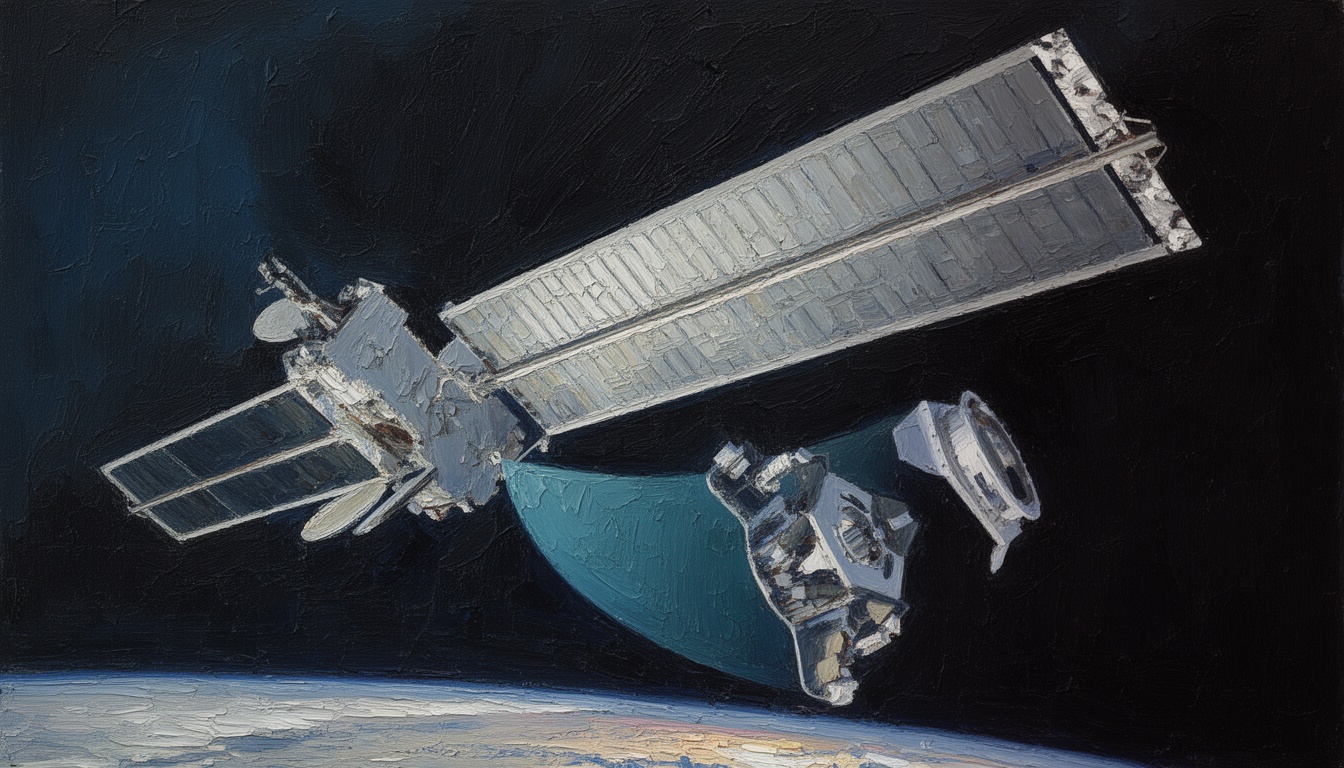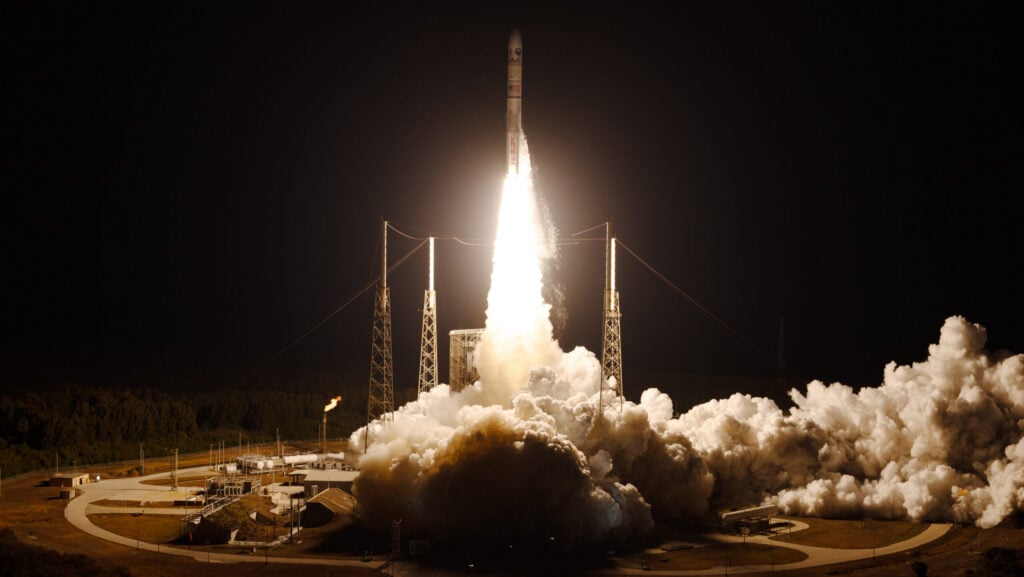
The Space Force has formally tasked twelve companies to advance work on the Golden Dome space-based interceptors, marking a decisive push into orbital battlefield capabilities. The awards push a wide array of defense contractors into the program, signaling a robust industrial baseline for future interceptor deployment and rapid prototyping. The initiative is framed around achieving an initial capability by 2028, with multiple milestones expected to shape funding, technical risk, and integration with space domain awareness networks.
Historically, space-based defense concepts have hovered at the edge of policy debates and industrial experiments. Golden Dome represents a deliberate pivot toward a kinetic, space-based defense layer designed to counter ballistic missiles and other orbital threats. The program’s breadth—covering communications, sensors, propulsion, and interceptor hardware—reflects a holistic attempt to close gaps in space deterrence and protect critical space assets from evolving adversaries. The size and scope of the contractor roster indicate a serious commitment to a scalable, multi-vendor capability rather than a single-supplier solution.
Strategically, Golden Dome tests the bounds of space-domain deterrence, signaling to potential adversaries that the United States is developing a tangible, deployable countermeasure in orbit. This could influence power dynamics with peer competitors that rely on space-enabled precision, command, and C2. Allied partners may seek close alignment on rules of engagement, interoperability standards, and attribution frameworks to prevent miscalculation in a contested space environment. The program also dovetails with broader defense posture shifts toward distributed, survivable, and resilient space architectures.
Technically, the effort encompasses a broad set of components: interceptor units designed for orbital deployment, launch and deployment mechanisms, kill-chain integration with space-domain awareness, and robust vehicle and sensor interfaces. Budgetary contours are likely to emerge in forthcoming program of record documents, with initial milestone deliveries leading toward a formal capability demonstration in 2028. The twelve contractors bring a mix of propulsion, guidance, and payload expertise, reflecting an intent to test multiple design philosophies and build a mature industrial base.
Looking ahead, Golden Dome raises questions about space security, risk of escalation in the orbital arena, and the pace at which kinetic space-based defenses can be responsibly integrated with existing formations. If 2028 milestones hold, a new era of space deterrence could begin, shaping adversary calculations and defense planning across multiple domains. The path to operational deployment will hinge on rigorous testing, alliance coordination, and clear rules of engagement to prevent unintended consequences in orbit.