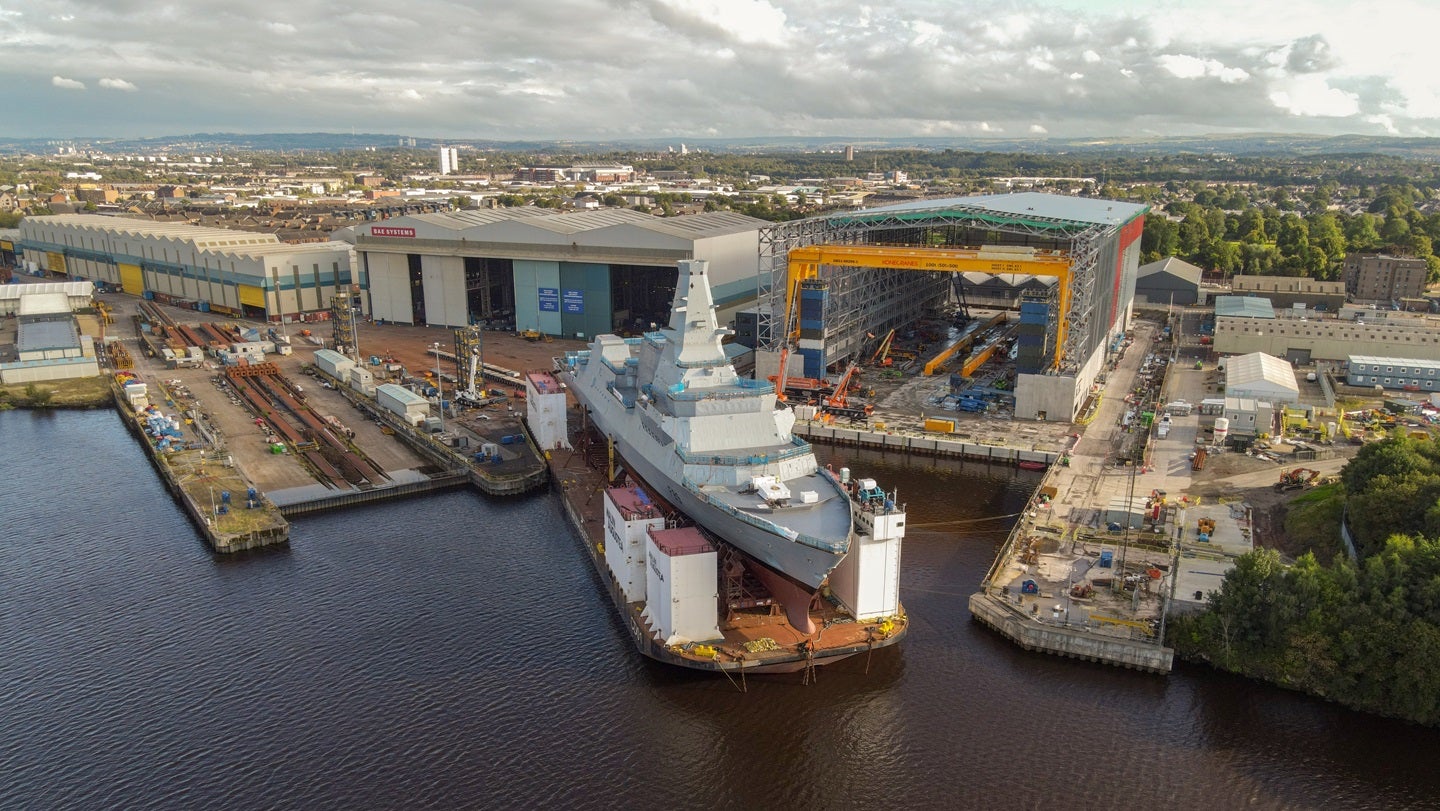

The United Kingdom and Norway are preparing to field nearly identical fleets of Type 26 frigates, leading to discussions on potential joint command structures. This development raises immediate concerns regarding operational efficacy and the readiness of the nations to cooperate seamlessly in combat scenarios. As both nations enhance their naval capabilities, the question of integrated command becomes crucial, particularly under the looming threats from assertive powers in and around European waters.
The Type 26 frigate, designed primarily for anti-submarine warfare, is set to replace the aging Type 23 fleet in the UK. The first vessel of this class is expected to enter service in 2027 for the UK, while Norway’s entry into the program reinforces its commitment to modernize its maritime forces. The discussions around joint command stem from previous collaborations, including training exercises and information sharing, but the reality of unified command has never been fully realized amid cultural and operational differences.
The strategic implications of this development could be profound. With tensions escalating in the Arctic and the North Sea—regions shared by both nations—the ability to conduct operations under a cohesive command structure might enhance deterrence against shared threats. However, mixed command could expose vulnerabilities in decision-making speed and operational effectiveness, particularly in high-stakes environments like maritime conflict zones.
Key actors in this scenario include the Royal Navy and the Norwegian Navy, both of which are driven by national interests—primarily securing maritime boundaries and safeguarding economic resources. While both countries publicly espouse the benefits of interoperability, underlying motives may include maximizing defense budgets, countering Russian naval activities, and reinforcing NATO commitments. Each nation must grapple with how much control and authority it is willing to relinquish in joint operations.
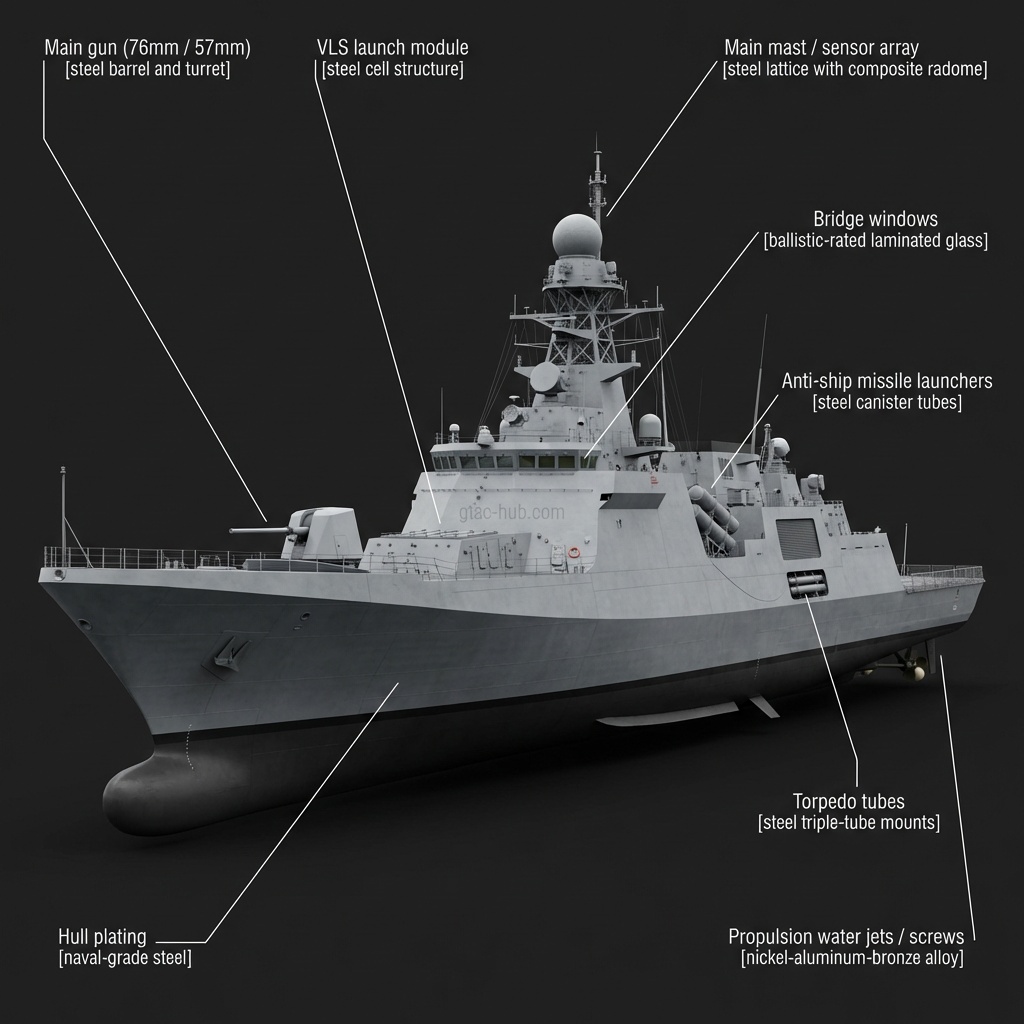
From a technical perspective, the Type 26 frigate boasts advanced weaponry and sensors, including the Sea Ceptor missile system capable of engaging aerial threats. The UK plans to operate eight vessels while Norway has ordered five, potentially totaling a fleet of 13 ships between both nations. These frigates are designed for versatility, but coordination in battle will test the limits of modularity against traditional naval command experiences.
The potential consequences of this collaboration include delayed responses during crises, particularly if command structures create friction rather than fluidity between forces. Without robust frameworks for joint operational protocols, crises could spiral out of control, leading to unanticipated escalations. Further complicating matters, differing threat perceptions and national strategic priorities could lead both parties to act unilaterally, undermining collective objectives.
Historically, joint command attempts in NATO have faced severe difficulties, such as those experienced during the Cold War when integration was fraught with political tensions. The challenges posed today may be even more pronounced given the heightened geopolitical rivalries, particularly with Russia's increased assertiveness in the Arctic. Such historical contexts underline the importance of thoroughly addressing command protocols before crises emerge.
As this situation develops, it is essential to monitor key indicators that might signal successful integration or impending operational failures. Look for joint maritime exercises set for the next year, announcements on operational protocols, and any disputes that arise over command authority. The effectiveness of UK-Norway naval cooperation will heavily depend on their capabilities to navigate these complex dynamics without compromising their national security interests.