
The U.S. Army has ordered 50 new Armored Multi-Purpose Vehicles (AMPVs) to replace the M113 armored personnel carriers sent to Ukraine. This $250 million deal reflects a critical response to depleting inventories as the ongoing war in Ukraine continues to strain U.S. military resources. The necessity for upgraded vehicles demonstrates the increasing urgency to field more capable modern equipment for U.S. forces and allied units in conflict zones.
The M113 personnel carriers, widely utilized since the Vietnam War, have been progressively phased out in favor of advanced systems like the AMPVs. As Ukraine's military incurs heavy losses and seeks modernized vehicles to resist Russian advances, the U.S. has opted to supply older platforms, resulting in a pressing need to replenish its own stocks. The decision to procure new AMPVs indicates that the Army recognizes the limitations of older technology, but the delayed modernization efforts have now become apparent amid international conflicts.
This procurement is significant because it reveals the U.S. military’s vulnerability in armored vehicle availability and readiness in times of crisis. As domestic and international conflicts heat up, there is growing pressure on major military powers like the U.S. to upgrade their capabilities while continuously supporting allies. Countries looking to the U.S. for military assistance may question whether the Pentagon can adequately meet their defense needs given its own logistical struggles.
Key actors in this development include the U.S. Army, which is striving to modernize its fleet while managing increased demands stemming from the Ukraine War. Additionally, military contractors responsible for producing AMPVs are under pressure to meet urgent delivery timelines while ensuring quality, reflecting a dual focus on expediency and efficacy. This process serves the broader strategic context where both U.S. military readiness and international partnerships are critically assessed.
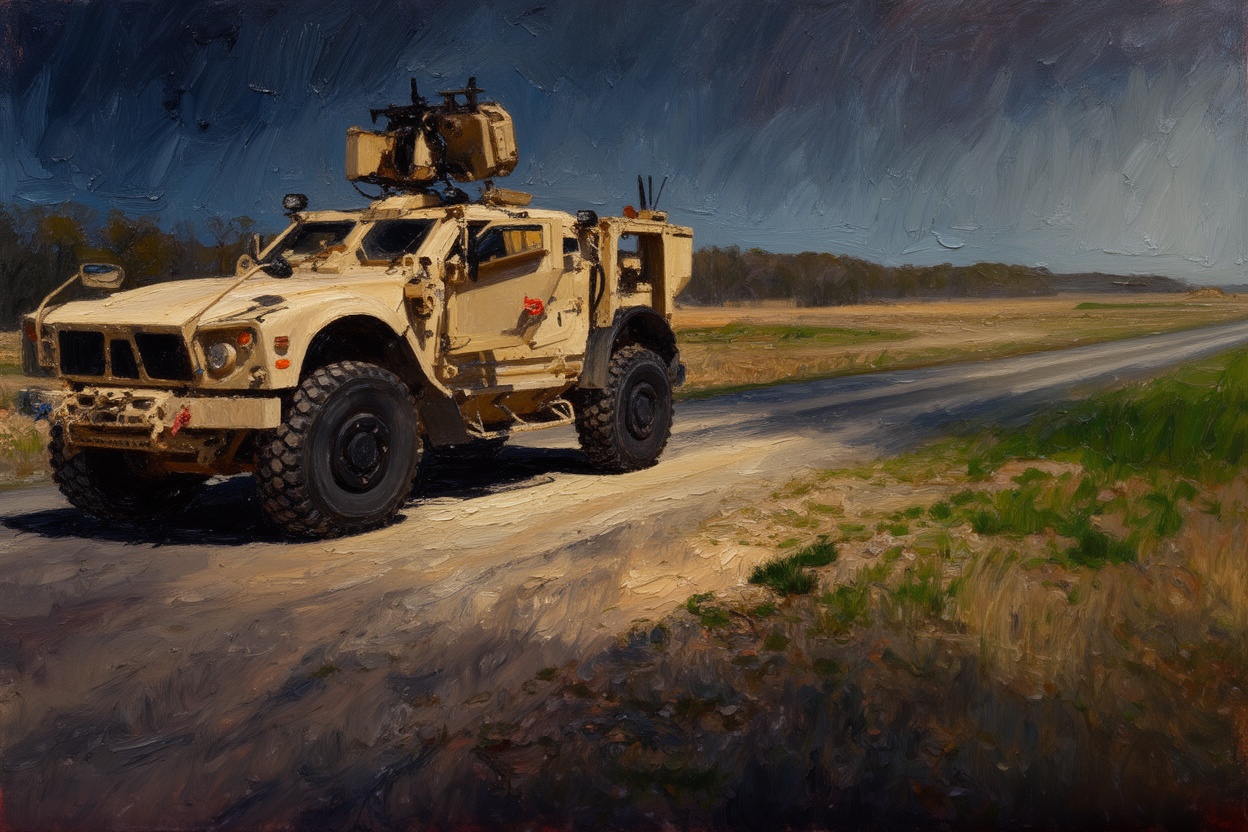
The AMPVs, designed as a modern replacement for the M113, are equipped with enhanced capabilities, including the ability to carry a crew of up to three personnel while accommodating various mission-specific payloads—such as medical evacuation, command and control, and logistics support. In terms of operational specifications, the AMPVs offer improvements in mobility, survivability, and performance, though the exact delivery timeline remains uncertain due to manufacturing constraints and supply chain challenges.
As the global security situation continues to deteriorate, including in Eastern Europe, the consequences of this order are multifaceted. An immediate impact is the potential gap in readiness that this decision signifies, raising concerns about the U.S. Army's capacity to respond to new threats while still aiding allies. Furthermore, this move may prompt other nations to reevaluate their own capabilities and strategies in response to U.S. inventory management.
Historically, similar crises involving military supply shortages can lead to diminished operational effectiveness and compromised defense postures. For example, during the Korean War, the United States faced significant logistical hurdles that hampered its ability to project power effectively. The current situation may echo these precedents as military planners grapple with an urgent need for modernization versus the constraints of existing infrastructure and production capabilities.
Looking ahead, defense analysts should monitor the pace of AMPVs' delivery and any additional orders that the U.S. may place to replenish lost equipment. Intelligence indicators to watch include how the Army manages its existing vehicle inventory and the potential impacts of further mobilization commitments abroad. Additionally, shifts in procurement strategies could reveal new alignments in international military partnerships and responses to evolving security threats.