
Fateh Class Submarine
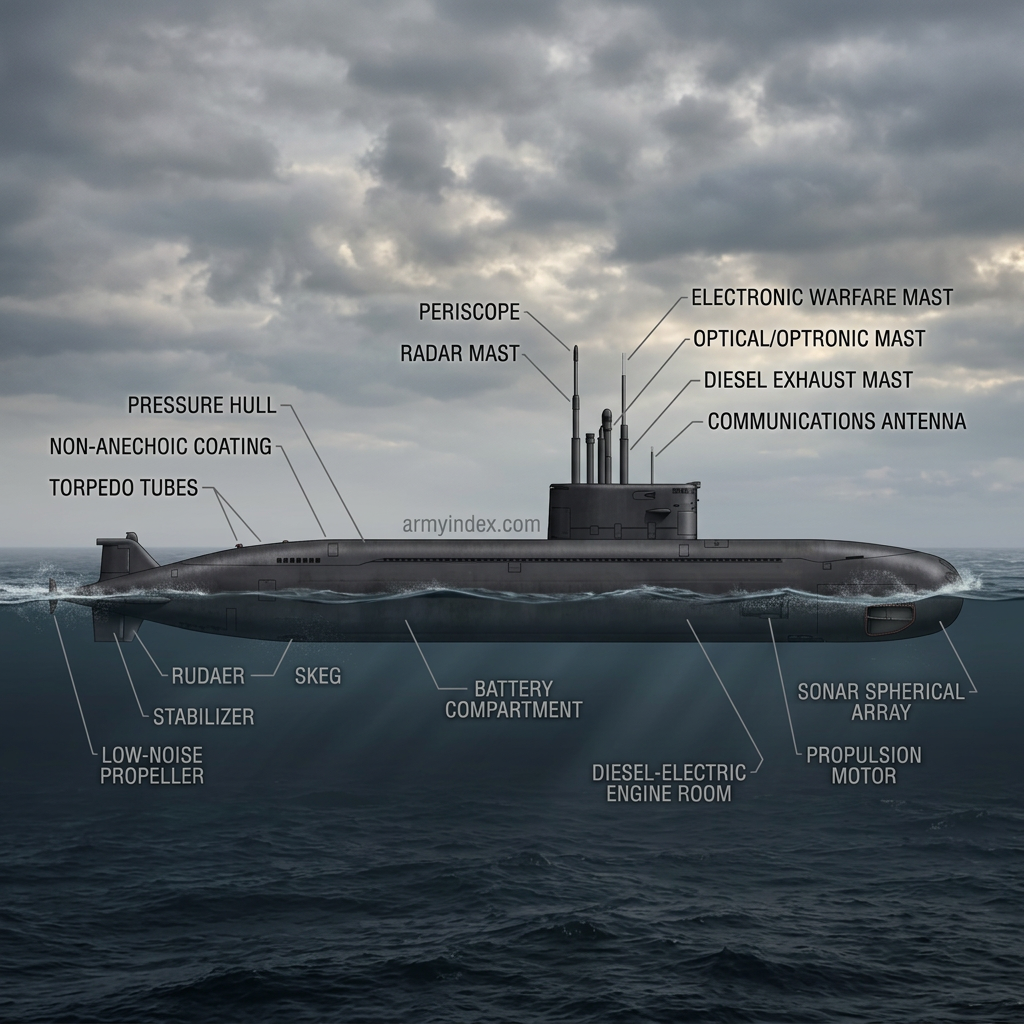
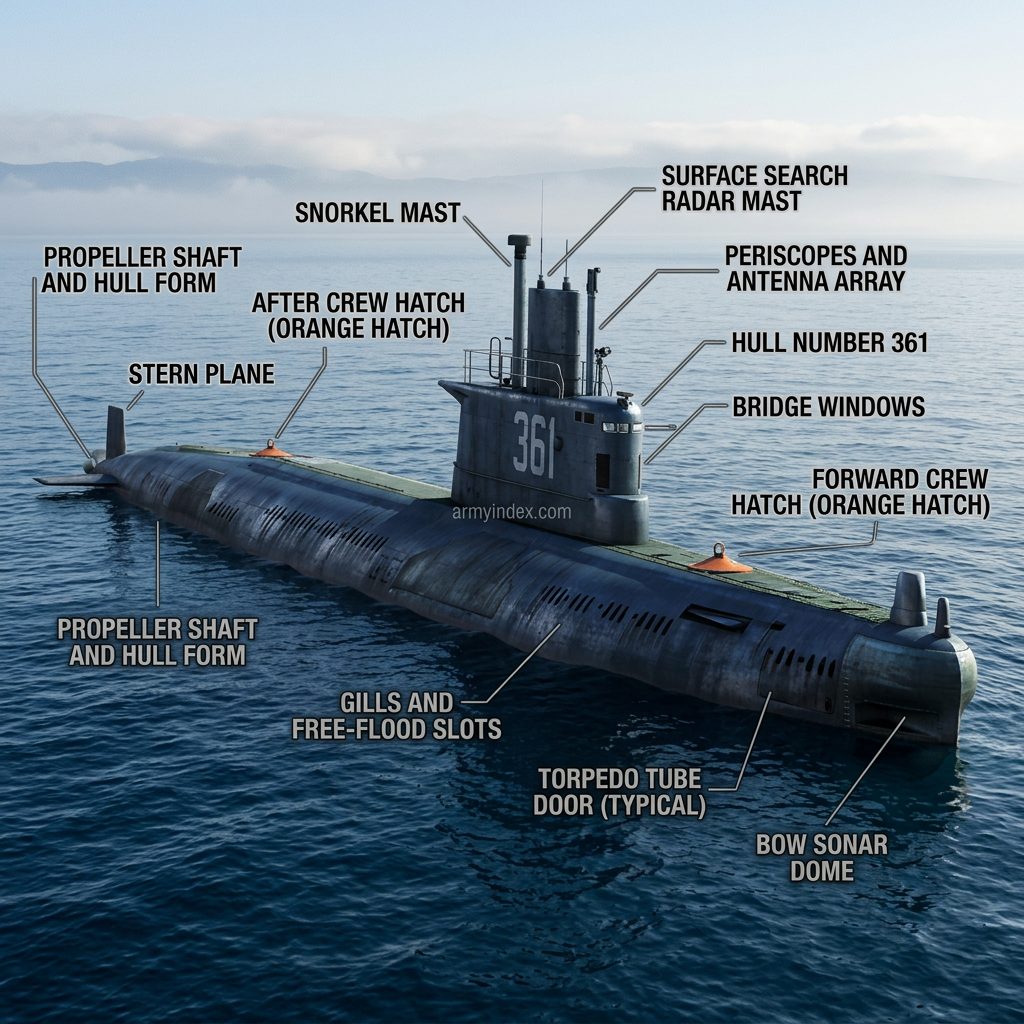
Iran's indigenously developed diesel-electric attack submarine class designed for operations in the shallow waters of the Persian Gulf and Strait of Hormuz where larger submarines cannot effectively operate. The Fateh class represents a significant advancement over Iran's earlier Ghadir-class midget submarines (themselves North Korean-derived designs). Displacement of approximately 600 tonnes submerged with a length of 48 metres. Armed with 4x 533mm torpedo tubes for heavyweight torpedoes and potentially submarine-launched anti-ship cruise missiles. Features an improved sonar suite, battery capacity for extended submerged endurance (though lacking Air Independent Propulsion), and modern communications equipment. The small size and shallow draft enable operations in the Persian Gulf's coastal waters where depth rarely exceeds 90 metres. Three boats operational or under construction: Fateh (commissioned 2019), Fateh-2/Nooh, and additional units. The submarines provide Iran with a credible anti-access capability in the Strait of Hormuz — the world's most critical oil chokepoint through which 21% of global petroleum passes. In wartime, Fateh-class boats could threaten commercial shipping and naval vessels operating in confined waters.

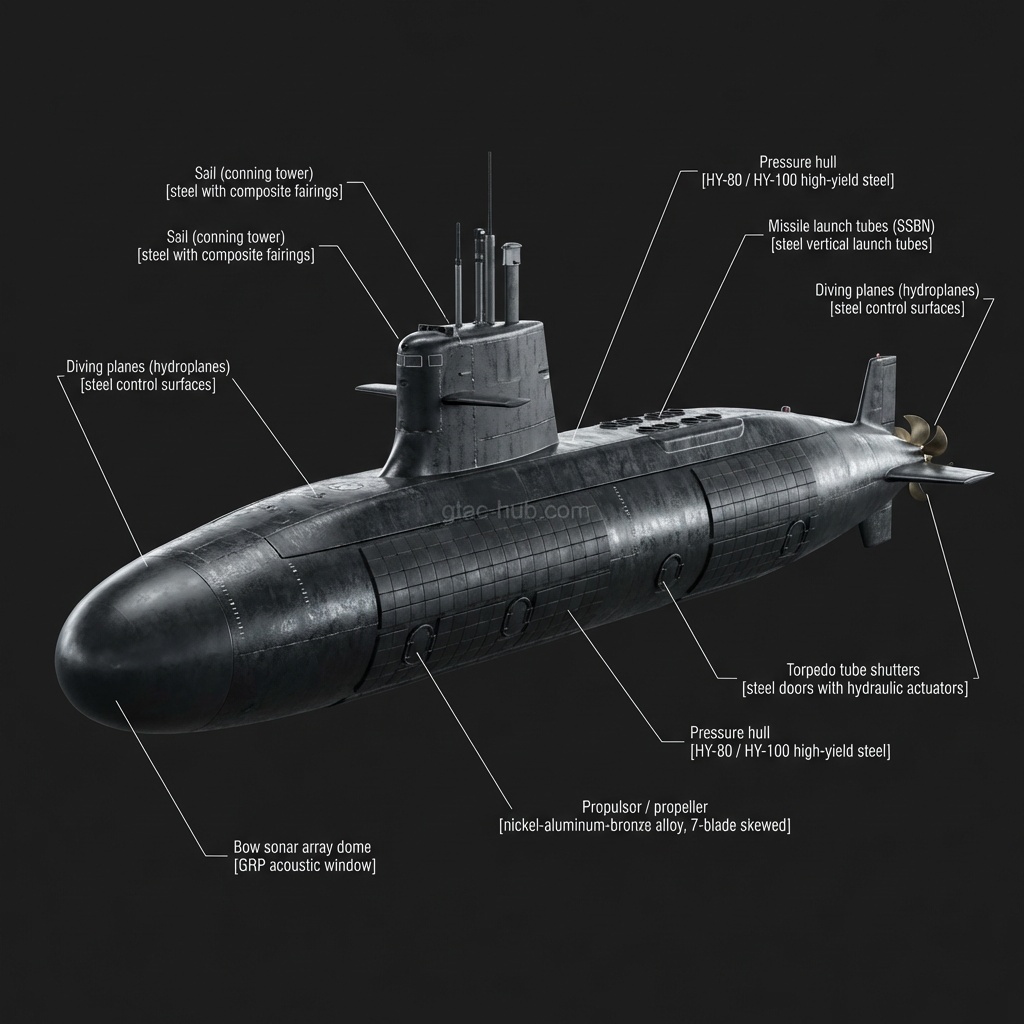
- Largest indigenous Iranian submarine; significant step up from Ghadir class
- Small size enables shallow-water and littoral operations in Persian Gulf
- Indigenous production avoids sanction constraints
- Quiet diesel-electric propulsion suitable for ambush tactics
- Small displacement limits weapons loadout, endurance, and crew habitability
- No AIP system; must snorkel frequently, increasing detection risk
- Sensor and combat system technology generations behind Kilo/Type 209 class
- Limited deep-water capability; primarily a coastal defense asset
Sign in to join the discussion and rate this weapon system
SIGN INRadar cross-section management at this level requires trade-offs in payload capacity that tacticians need to understand.
Ammunition capacity versus protection trade-off here reflects deliberate doctrinal choices worth examining.