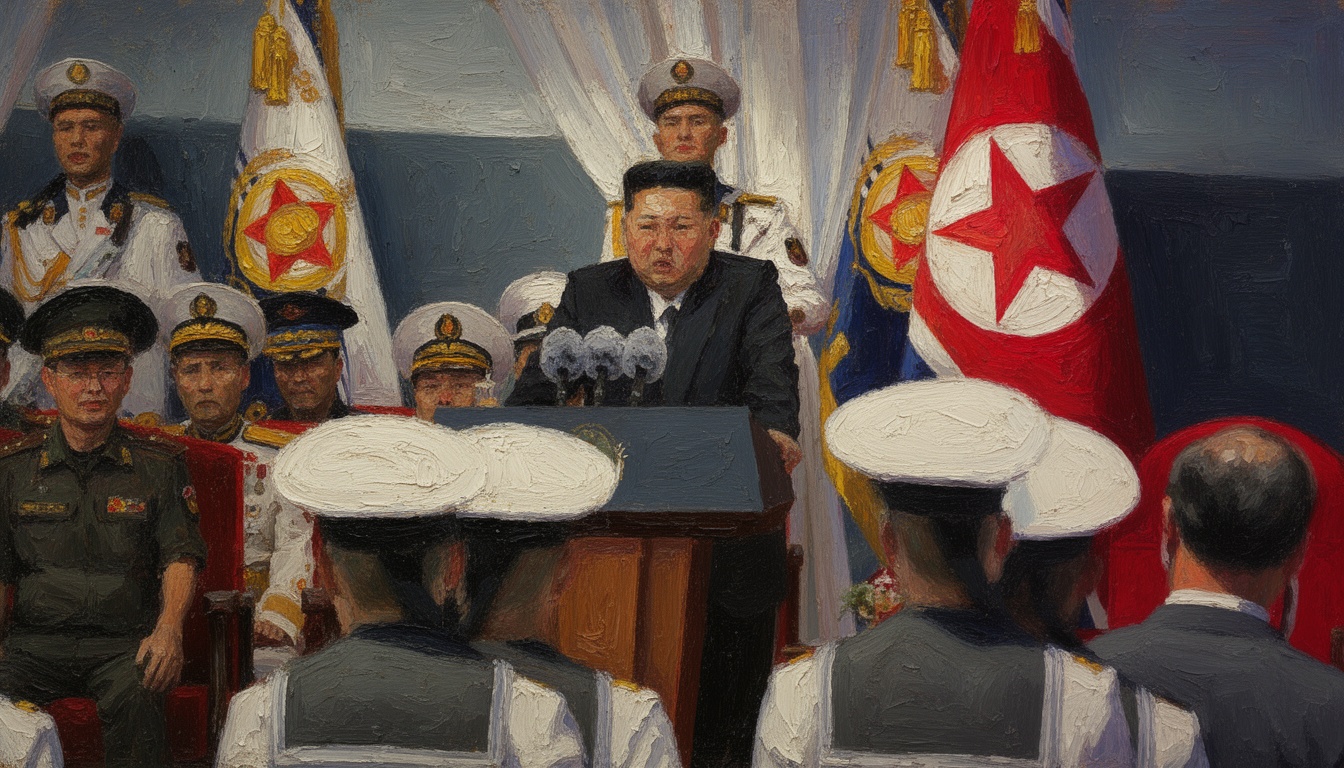
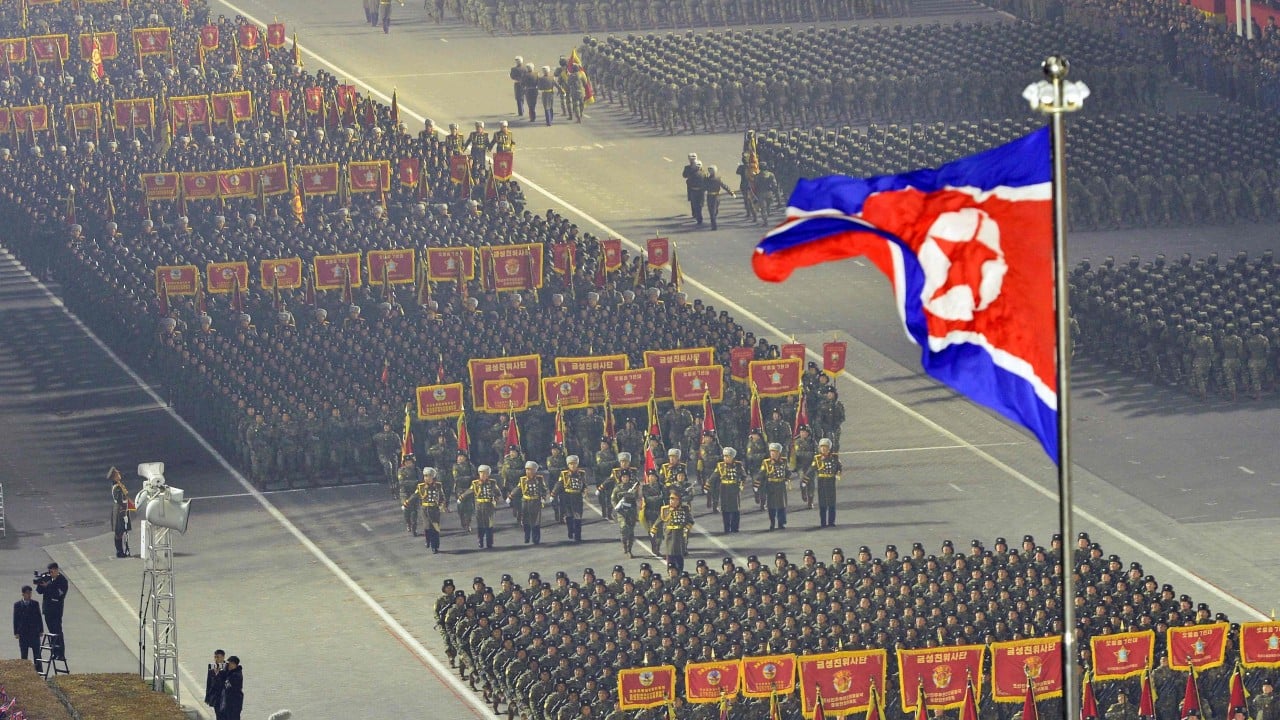
The Pentagon's newly unveiled National Defense Strategy places the responsibility of deterring North Korea squarely on South Korea, significantly altering the dynamics of U.S.-South Korea relations. This shift signals a potential abandonment of the U.S.’s longstanding commitment to unconditionally defend its ally from North Korean aggression, introducing a dangerous precedent in the volatile North-East Asian security landscape.
Historically, North Korea has viewed its leverage over South Korea as an effective means of ensuring its regime's survival against U.S. pressures. The threat of conventional and nuclear strikes has rendered South Korea particularly vulnerable. The recent U.S. strategy appears to greenlight this leverage, effectively telling South Korea that they must lead the deterrence efforts themselves, thereby amplifying the risks that the South faces in potential military confrontations with the North.
This shift in responsibility significantly escalates strategic tensions in the region. As the U.S. retreats from its previous posture of comprehensive deterrence, North Korea is likely to interpret this as an opportunity to ramp up its provocations, including potential hostage-taking strategies, further destabilizing the security environment. South Korea, already in a precarious position, must now enhance its military readiness and capabilities to contend with an emboldened North.
Key players in this scenario include U.S. Defense Secretary Lloyd Austin, South Korean President Yoon Suk-yeol, and North Korean leader Kim Jong-un. Austin frames this change as an empowerment of South Korea, but the unspoken reality is that it may be more about U.S. budget constraints and strategic reorientation amid challenges in Ukraine and the Pacific. For North Korea, this dynamic muddies the waters of accountability and may serve as a pretext to engage in more aggressive diplomacy through destabilizing actions.
Operationally, this new strategy raises questions about South Korea's military preparedness. Currently equipped with advanced systems like THAAD (Terminal High Altitude Area Defense) and the K-2 Black Panther tank, the South Korean military still must grapple with insufficient manpower to effectively respond to North Korean provocations. The South's defense budget stands at about $44 billion, but the resources may not be adequate to face a North that has invested heavily in its nuclear arsenal and missile technology, which includes ICBMs that can reach the U.S. mainland.
The consequences of this strategy may reverberate beyond mere rhetoric. A North Korean hostage crisis could ensue, leveraging the current lack of U.S. commitment to force Washington to negotiate for the release of captives, similar to past crises. Furthermore, the risk of miscalculation increases as North Korea tests the limits of this new doctrine, raising the stakes for both Seoul and Washington.
In historical context, this bears resemblance to the 1994 framework agreement and its eventual breakdown, which allowed North Korea to further its nuclear ambitions while the U.S. maintained diplomatic channels. The notion of shifting deterrence responsibilities has led to confusion in alliances before and typically results in escalations or incidents requiring urgent intervention.
Going forward, the focus should be on how South Korea adjusts its defense strategy in light of this new directive. Intelligence indicators to monitor include North Korea's military maneuvers, the speed of South Korean military modernization efforts, and any signs of increased North Korean aggression that might exploit the perceived allowed risk in U.S.-South Korean dynamics.