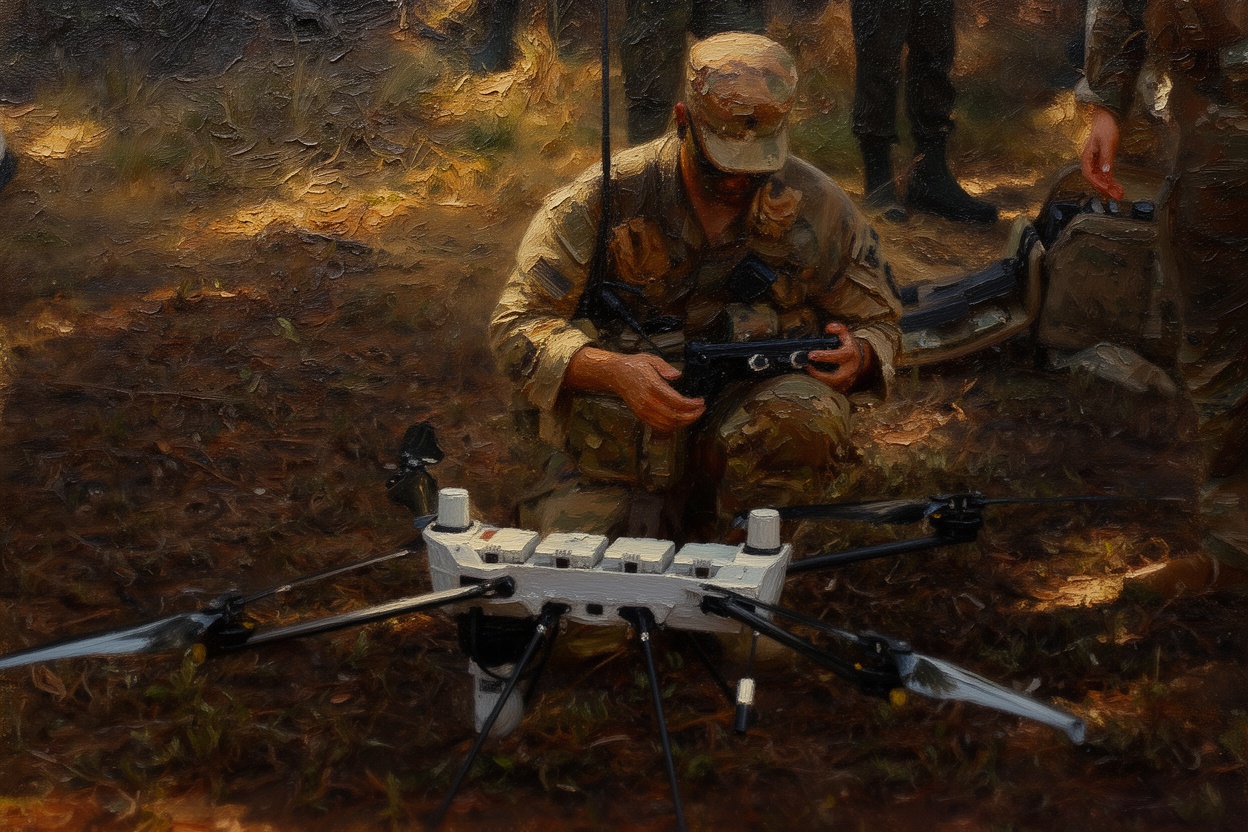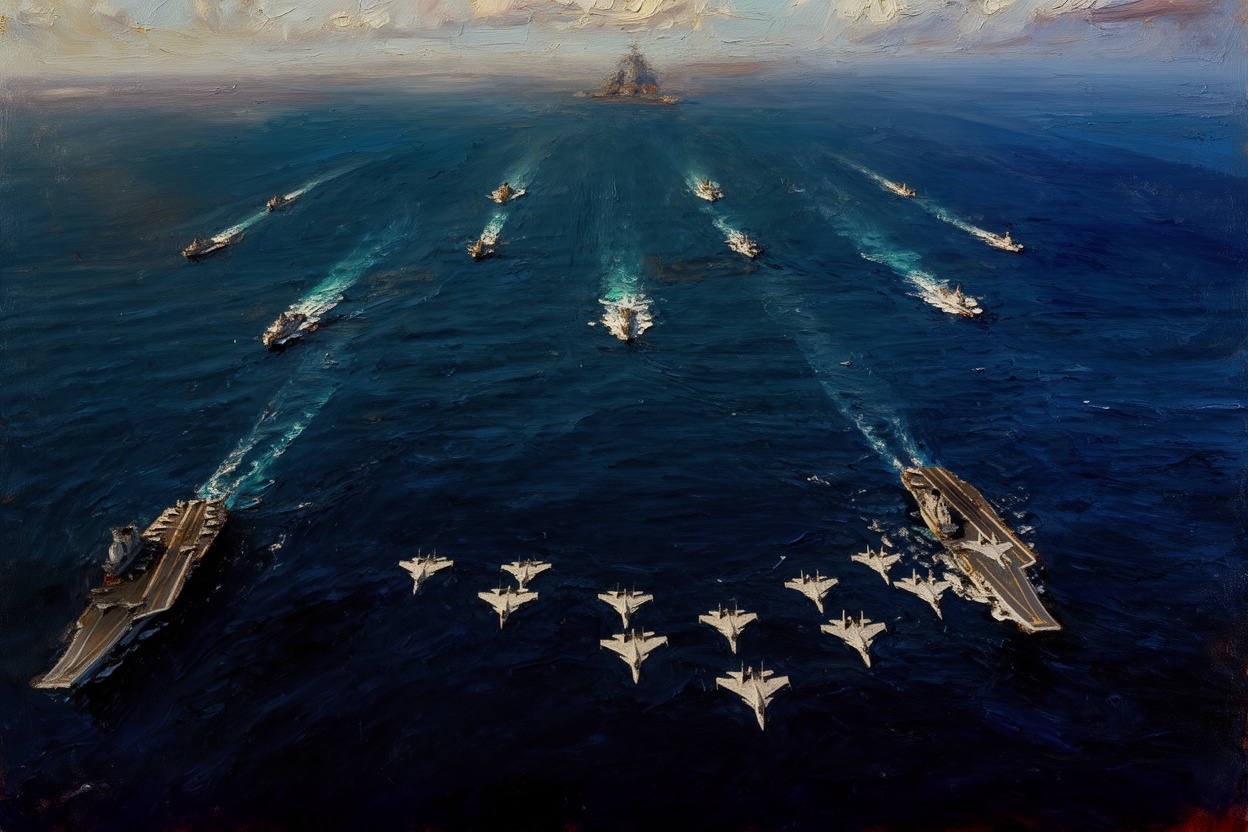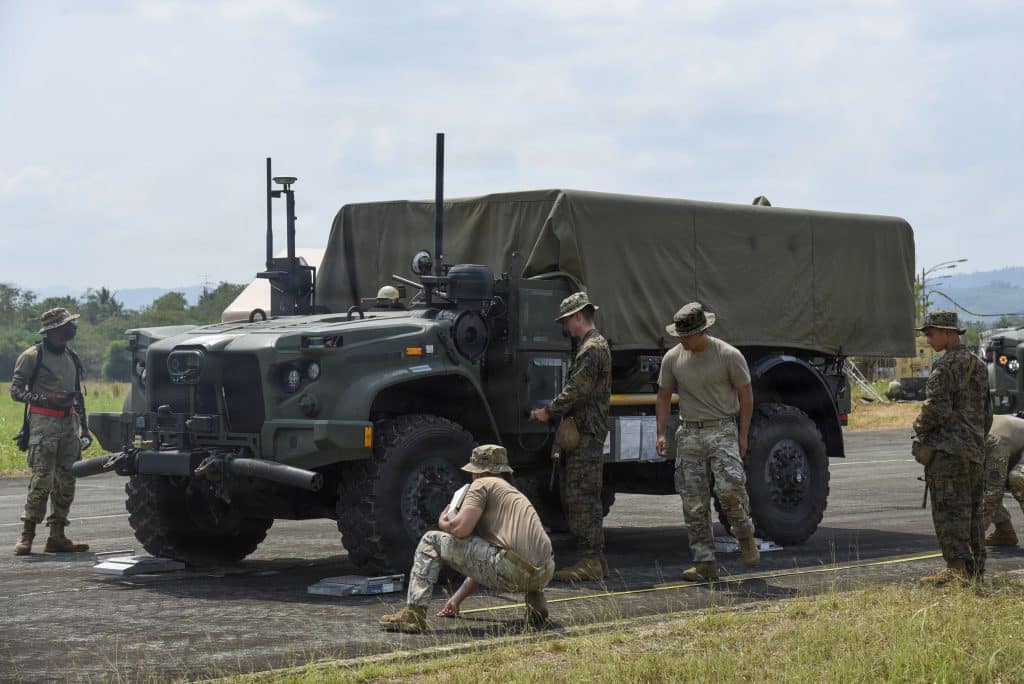
The core development: U.S. anti-ship missile launchers have been deployed to the Northern Philippines, specifically near the Luzon Strait, to support Balikatan 2026. This force package is aimed at maritime strike, coastal defense, and sea-denial operations during the exercise. Roughly 1,300 Marines and Sailors from the Hawaii-based 3rd Marine Littoral Regiment comprise the core of the contingent, underscoring the emphasis on littoral warfare and distributed sensor-shooter integration. The move expands forward-deployed capabilities in the Western Pacific and demonstrates a deliberate posture to contest sea lines of communication in the region.
Background context: Balikatan, the U.S.-Philippines annual combined exercise, serves as a proving ground for integrated maritime security tasks, including anti-access/area denial (A2/AD) coordination, interdiction planning, and amphibious-reinforced coastal defenses. The Luzon Strait sits at a strategic crossroad between the Philippine Sea and the South China Sea, where competing claims and frequent naval activities raise the risk of miscalculation. The presence of U.S. anti-ship systems in proximity to the Strait is intended to bolster deterrence and reassure allies, while signaling the credibility of combined air-sea-firepower options in a potential crisis.
Strategic significance: The deployment elevates the alliance’s ability to shape maritime domains in a contested arc from the Philippine Sea to the SCS. It complements existing U.S. prepositioned stocks, forward basing, and joint ring-ring drills with Filipino forces. Washington’s demonstration of maritime-strike capacity near a flashpoint narrows the tactical space for competitors to maneuver without incurring risk. This move aligns with broader Indo-Pacific deterrence initiatives and reinforces the signal of persistent U.S. presence near critical chokepoints.
Technical/operational details: The 3rd Marine Littoral Regiment specializes in distributed operations, advanced coastal systems, and networked fires. The deployment near Luzon Strait includes anti-ship missiles to fulfill sea-control tasks, with integration into joint command-and-control for Balikatan 2026. The force mix emphasizes high mobility, sensor fusion, and rapid-fire missiles designed to complicate adversary calculations in near-shore environments. While exact missile systems and launch platforms are not specified, the emphasis is clear: credible sea-denial and coastal-defensive capacity under a unified U.S.-Filipino command cycle and response tempo.
Consequences and forward assessment: The move heightens regional risk management and crisis stability by signaling a credible deterrent against maritime coercion. It will likely accelerate modernization plans within the Philippine armed forces, including coastal-defense embankments, artificial reefs, and integrated coastal radar networks. For potential adversaries, the deployment increases the perceived costs of miscalculation in open-water interdictions and near-shore operations. Looking ahead, Balikatan 2026 will test interoperability under stress conditions and may prompt additional allied deployments or exercises to sustain deterrence in the years ahead.