
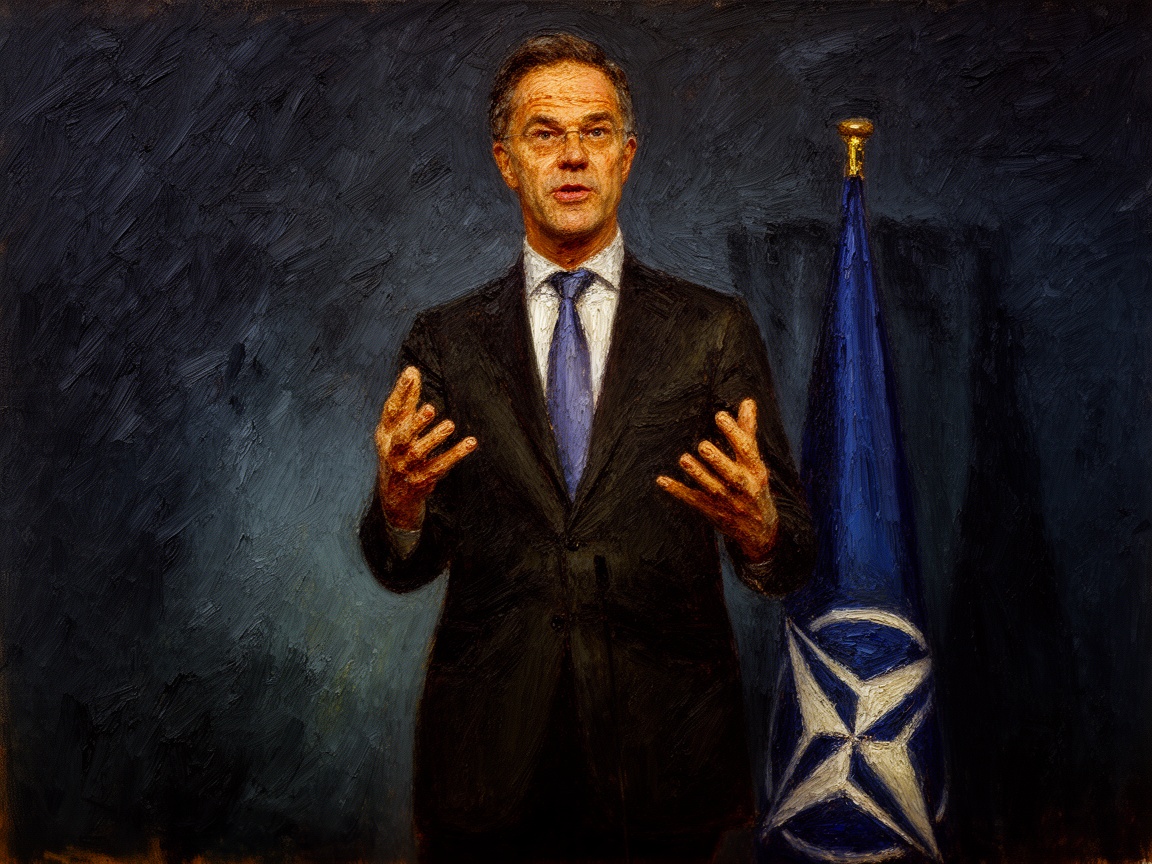
European leaders are advocating for the discussion of Article 42.7 of the EU treaty, which outlines mutual assistance among member states. This push arises amid growing tensions between the United States and its European allies, prompting a reassessment of Europe's defense strategies. The proposal is seen as a pivotal moment that might allow the EU to establish a more autonomous defense framework, separate from NATO's influence.
Article 42.7 has been relatively dormant since its establishment nearly two decades ago, with reliance primarily on NATO for collective defense. However, recent geopolitical developments, including strained relations with the US and the ongoing conflicts in Eastern Europe, have intensified the call for Europe to bolster its defensive posture. The discourse among leaders like France's Emmanuel Macron and Germany's Olaf Scholz emphasizes a strategic shift towards self-reliance in security matters.
The strategic significance of activating Article 42.7 could redefine Europe's role in global security. A collective defense mechanism within the EU could lead to increased military cooperation among member states and reduce dependency on the US military umbrella. Furthermore, it could signal a broader geopolitical shift, establishing the EU as a stronger actor on the world stage.
From a technical standpoint, each member state's military capabilities—such as troop numbers, equipment types, and budget allocations—will play a crucial role in the effectiveness of this mutual defense clause. This initiative could lead to enhanced interoperability among EU armed forces and prompt discussions about joint military exercises, shared intelligence, and unified command structures.
The likelihood of success hinges on member states' willingness to cooperate and commit resources to this initiative. If successfully implemented, this could mark a historic transition for Europe, potentially leading to a more unified and effective defense mechanism that complements NATO rather than competes with it. The future of the EU's strategic defense policy is at a critical juncture, with far-reaching implications for international security dynamics.