An Iranian drone strike has severely damaged a water desalination plant in Bahrain, marking a significant escalation in Iran's aerial campaign against its Gulf neighbors during the ongoing conflict. This incident represents the first reported targeting of such vital infrastructure in an Arab nation amid the nine-day war, underscoring the shifting tactics employed by Iran's military forces in the region.
The backdrop to this strike is a long-standing proxy conflict between Iran and several Gulf states, particularly Bahrain, which has strong ties to Saudi Arabia and is also perceived as a bulwark against Iranian influence. Tensions have surged since the outbreak of hostilities, with Iran reinforcing its military posture to directly challenge its adversaries in the Gulf. Previous skirmishes and hostile rhetoric have increasingly materialized into kinetic actions as both sides have struggled for regional dominance.
The significance of this drone strike cannot be overstated; it demonstrates Iran's capacity and willingness to carry out attacks on critical infrastructure in neighboring countries, raising serious concerns about water security in the region. Targeting essential services like desalination plants not only affects immediate civilian access to water but also signals Iran's intent to escalate its military actions. The potential for cascading failures in regional infrastructure could ignite broader conflicts, as nations may feel compelled to retaliate against such provocations.
Key actors in this crisis include Iran’s Islamic Revolutionary Guard Corps (IRGC), which has made it clear that they see themselves engaged in a prolonged confrontation with not only Bahrain but also with the United States and Israel. The stated position of the IRGC reveals their readiness for a sustained conflict, potentially signaling a shift where regional powers are forced to reconsider their defense strategies and alliances.
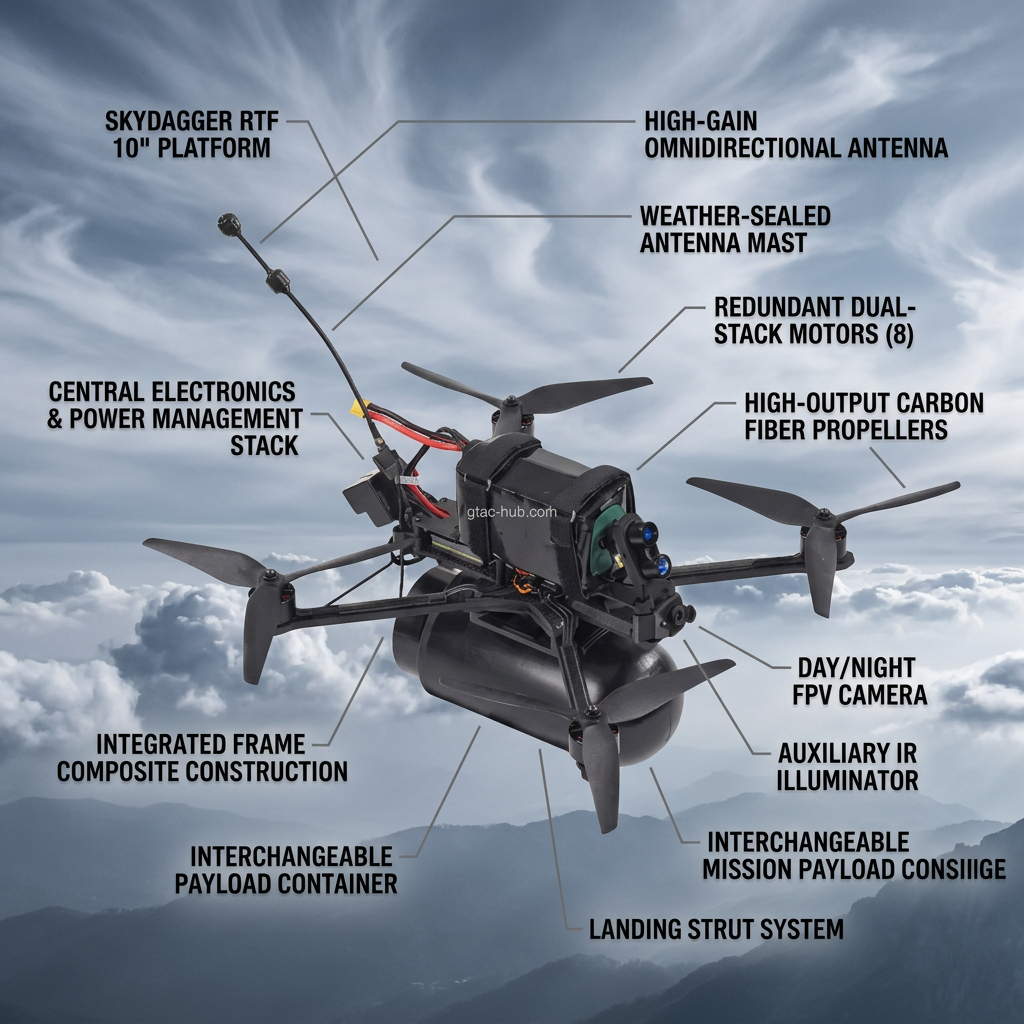
Operationally, the specifics of the drone strike highlight Iran’s advancements in drone warfare, which some estimates suggest has increased significantly in sophistication over the last five years, with drones capable of carrying explosive payloads and penetrating air defense systems. These developments come alongside Iran’s military budget of approximately $10 billion, facilitating the procurement and construction of increasingly advanced weaponry intended for both regular and asymmetrical warfare.
Likely consequences include a reevaluation of Gulf defense postures, with nations racing to enhance their air defense systems against rising drone threats. The risk of escalation remains extremely high, as retaliation by Bahrain or its allies could provoke Iranian reprisals or broader military responses, drawing more players into the conflict.
Historically, previous confrontations in the region showcase a pattern in which limited strikes can rapidly spiral into larger engagements. The 2019 drone attack on Saudi oil facilities demonstrated how asymmetric warfare tactics can destabilize global oil markets and provoke military responses. This incident might signal a similar path forward if a retaliatory cycle begins.
As this crisis continues to unfold, key indicators to monitor include Iranian drone production capabilities, the response from Bahrain and its allies, and shifts in military deployments in the Gulf region. Additionally, international reactions from major powers, particularly the United States, will be critical in determining the likelihood of an escalation into a wider confrontation.