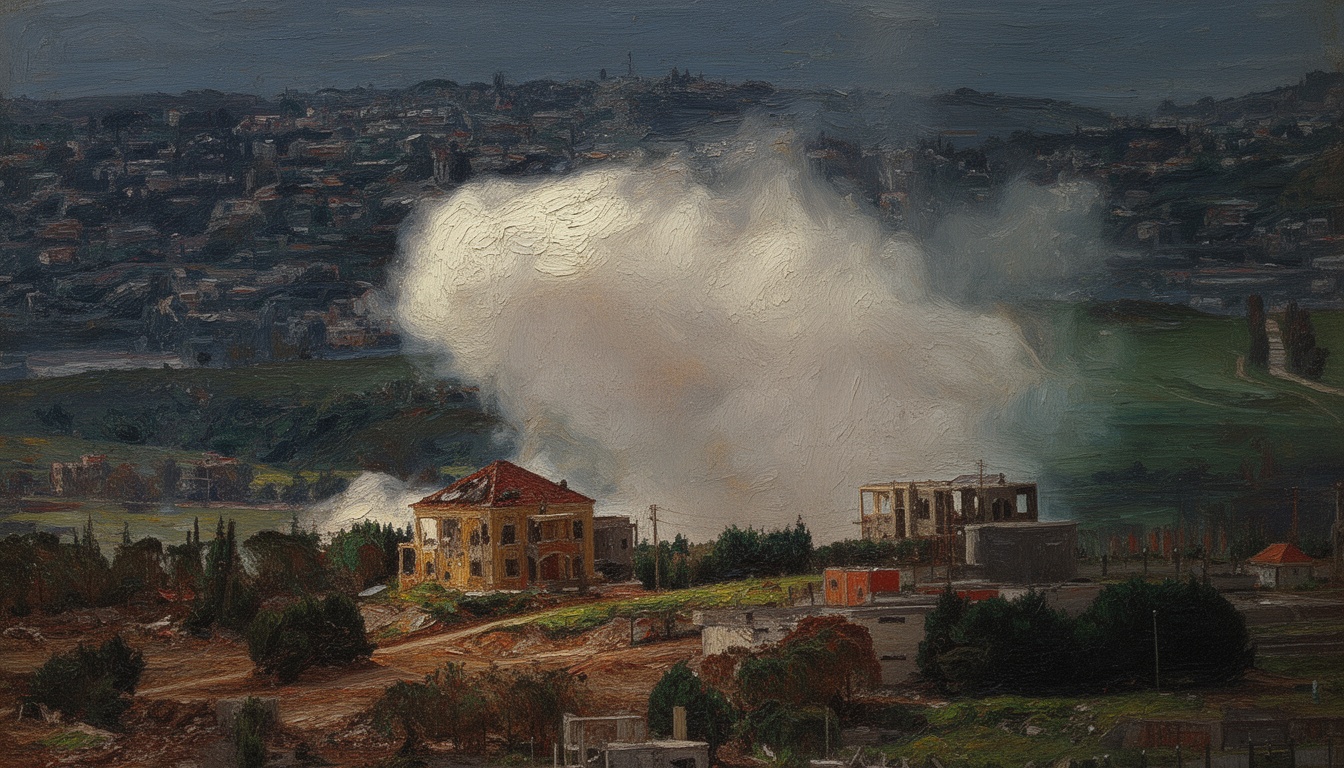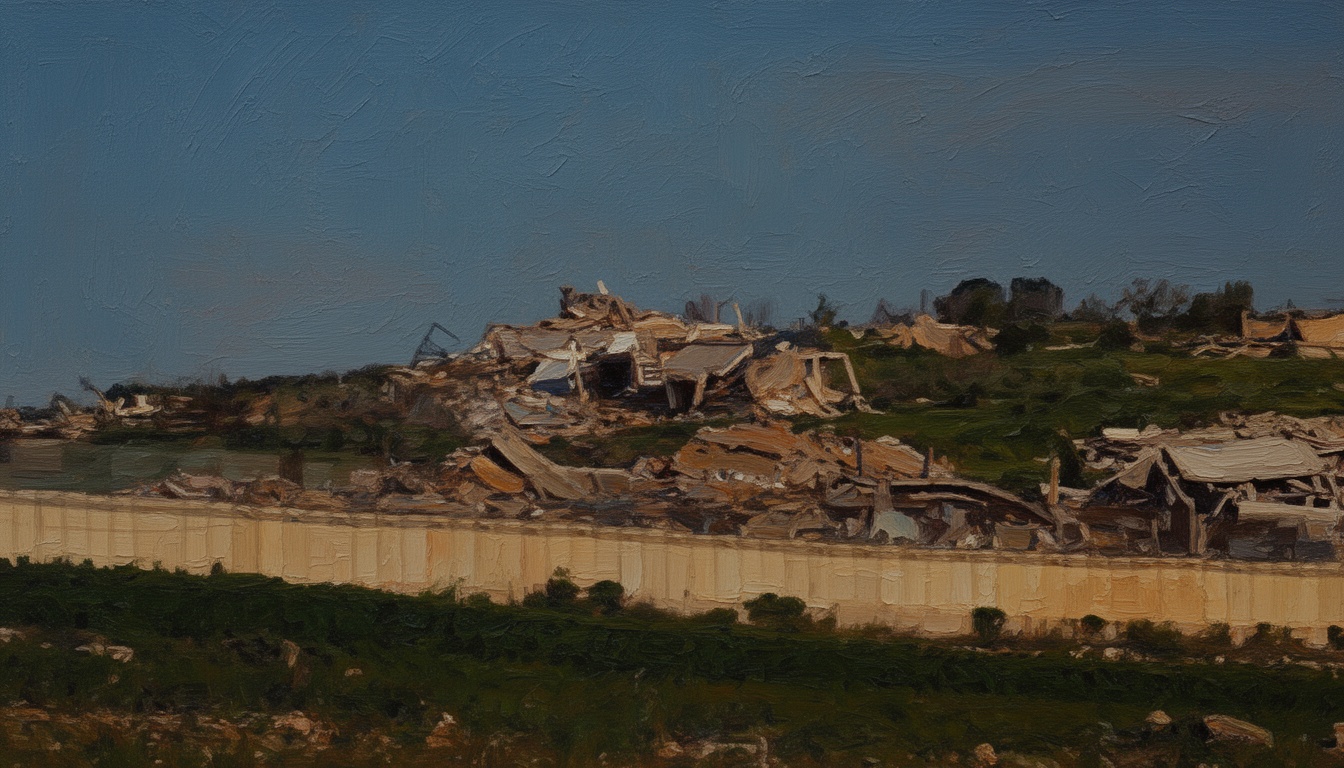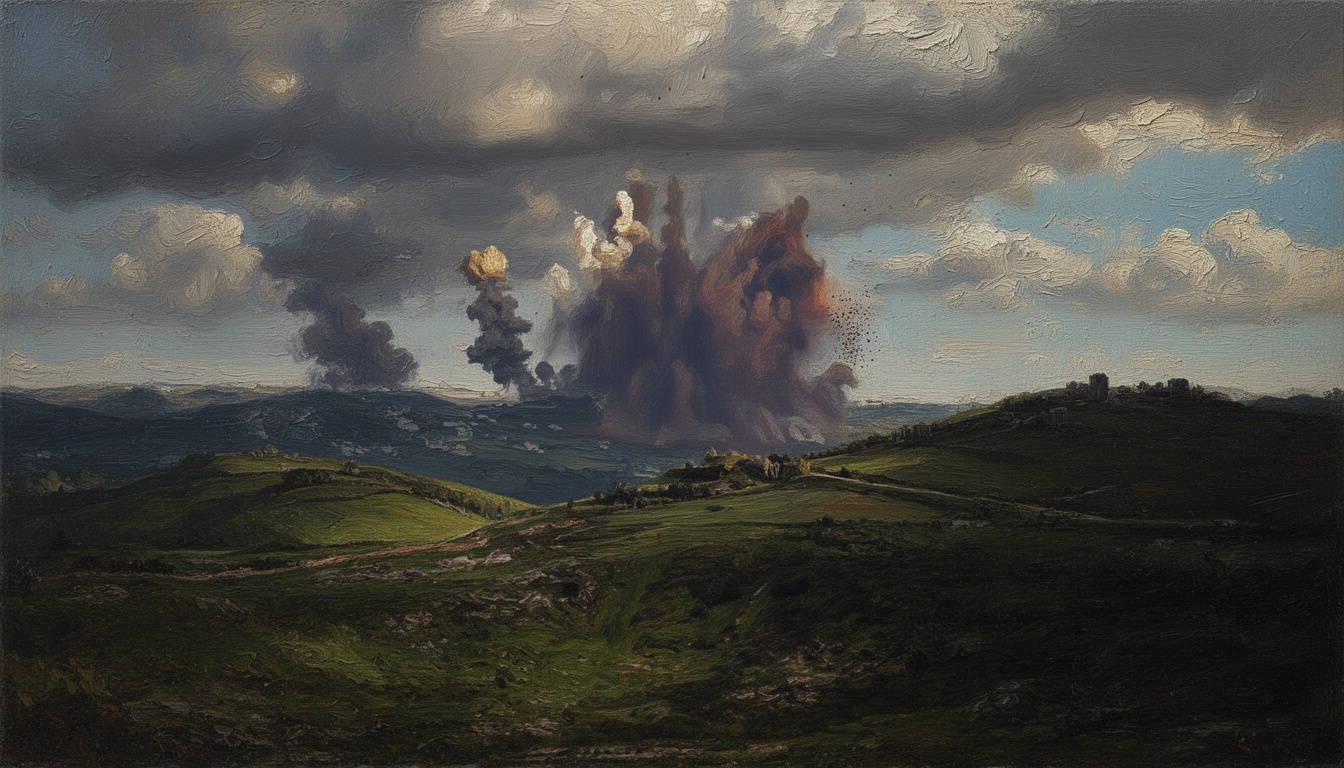
The core development is clear: the Israeli prime minister has directed the military to escalate offensive operations against Hezbollah in Lebanon. This directive arrives against a backdrop of renewed hostilities that have already produced casualties on Lebanese soil. Simultaneously, Lebanon remains under the strain of ongoing strikes even as a ceasefire is extended for three weeks. The combination of a formal order and a fragile diplomatic pause creates a high-tension window for rapid shifts in the security environment.
Contextual background shows that Hezbollah has long positioned itself as a principal asymmetrical threat to Israeli security along the border, with capability to retaliate across multiple domains. The Lebanese arena has repeatedly absorbed spillover from broader regional dynamics, including Iranian-aligned militias and proxy networks. The ceasefire extension suggests international mediation pressure, but it also creates incentives for both sides to test the limits of restraint. Recent strikes that killed six people in Lebanon demonstrate that authorities on both sides see little room to de-escalate without a demonstrable change in risk calculus.
Strategically, the move elevates risk of a broader confrontation that could draw in regional powers and potentially disrupt shipping lanes and border stability. Israeli leadership may intend to reimpose deterrence by demonstrating the willingness to strike at Hezbollah’s operational nodes. Hezbollah, for its part, could recalibrate its posture toward higher alert, integrating rapid-response reserves and anti-armor/anti-air capabilities into its لبنان-based command and control. The risk now extends beyond the border to regional diplomatic efforts, with third-party mediators possibly pressed to sustain a longer, more fragile ceasefire.
Operationally, the dynamic involves a mix of precision strikes, dispersion of Hezbollah formations, and potential use of long-range rocket components and cross-border tunnels. Israel’s air and artillery project new pressure on Hezbollah’s logistical hubs, with intelligence, surveillance, and target acquisition assets likely directing the tempo. The ceasefire extension provides a momentary pause for both sides to consolidate gains and for external powers to push for clarity on red lines and escalation thresholds. Expect heightened aerial reconnaissance, layered air defense engagement, and intensified border patrols as both sides monitor for miscalculations.
Likely consequences include a broader but still limited expansion of hostilities, with risk of inadvertent escalation into a larger regional flare-up. A sustained Israeli campaign could jeopardize civilian safety in border towns and complicate humanitarian access. For Hezbollah, sustained pressure may provoke adaptive strategies, including harder-to-target underground networks and greater underground storage of weapons. In the near term, diplomacy will hinge on the ability of mediators to enforce a credible, time-bound ceasefire while deterring missteps that could widen the conflict.