
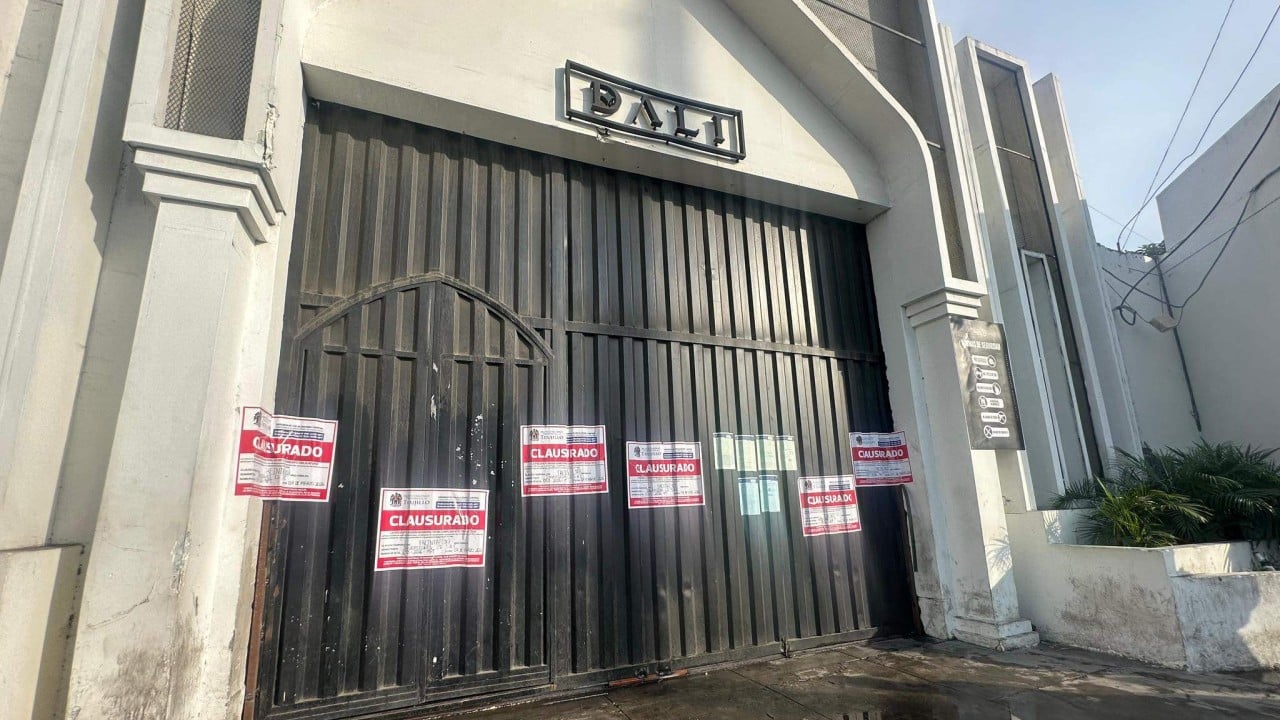

In a shocking act of violence, a bombing at the Dali nightclub in Trujillo, Peru, injured 44 people, forcing authorities to take swift action by arresting three suspects. The attack occurred early on Saturday morning, plunging the city, which is already beset by crime, into further chaos. Among the injured, three minors aged 16 and 17 highlight the indiscriminate nature of this brutal act.
The La Libertad region, where the bombing took place, is notorious for its gold production, which has given rise to a pervasive environment of extortion and illegal mining operations. Over the years, Trujillo has struggled to contain the violence associated with these illicit activities, and this incident underscores the deteriorating security situation in an area critical to Peru's economy. The social fabric of the region is severely undercut, as residents live in fear of continued escalation.
The significance of this bombing extends beyond mere casualties; it exposes vulnerabilities in Peru's public safety framework and presents strategic risks for a government battling to maintain control. With crime syndicates capitalizing on lawlessness, the implications ripple through not only local but international gold markets, effectively threatening economic stability and investor confidence in Peru's mining sector.
The motivations of the perpetrators may root in the intersection of illegal mining profits and violent extortion methods commonly employed in the region. The arrests hint at an organized crime involvement, as syndicates often seek to intimidate communities and enforce control amidst growing lawlessness. For the government, this situation poses a dual challenge: combatting burgeoning organized crime while also safeguarding the region’s economic backbone.
Operationally, the explosion’s mechanics and the choice of target suggest a calculated move designed to instill fear rather than purely to cause financial damage. While specific weapon details remain undisclosed, the nature of the attack indicates sophistication, possibly pointing to available explosives linked to criminal networks. This raises alarm over the potential military-grade munitions' accessibility to non-state actors in the region.
In the aftermath of this attack, potential escalation vectors are considerable. The response from local and national authorities will be critical; failure to adequately address the underlying causes may trigger further violent outbreaks. Continuous unrest could lead to increased military and police presence in the region, but also face significant pushback from local gangs entrenched in illegal activities.
Historically, similar violent attacks have occurred in other regions of Latin America, especially where drug trafficking and organized crime flourish. The pattern of escalation typically follows civilian casualties, leading to retaliatory violence or heightened government crackdowns, which can further destabilize these areas. This incident may well signal the beginning of a worrying trend as the government grapples with revitalizing its security strategies.
Moving forward, observers should monitor law enforcement operations’ effectiveness in dismantling organized crime networks and any further incidents of violence in the vicinity. Critical moments will include forthcoming community reactions and government responses, which could either escalate or alleviate tensions in the region, as well as any indications of broader international involvement in countering these violent threats.