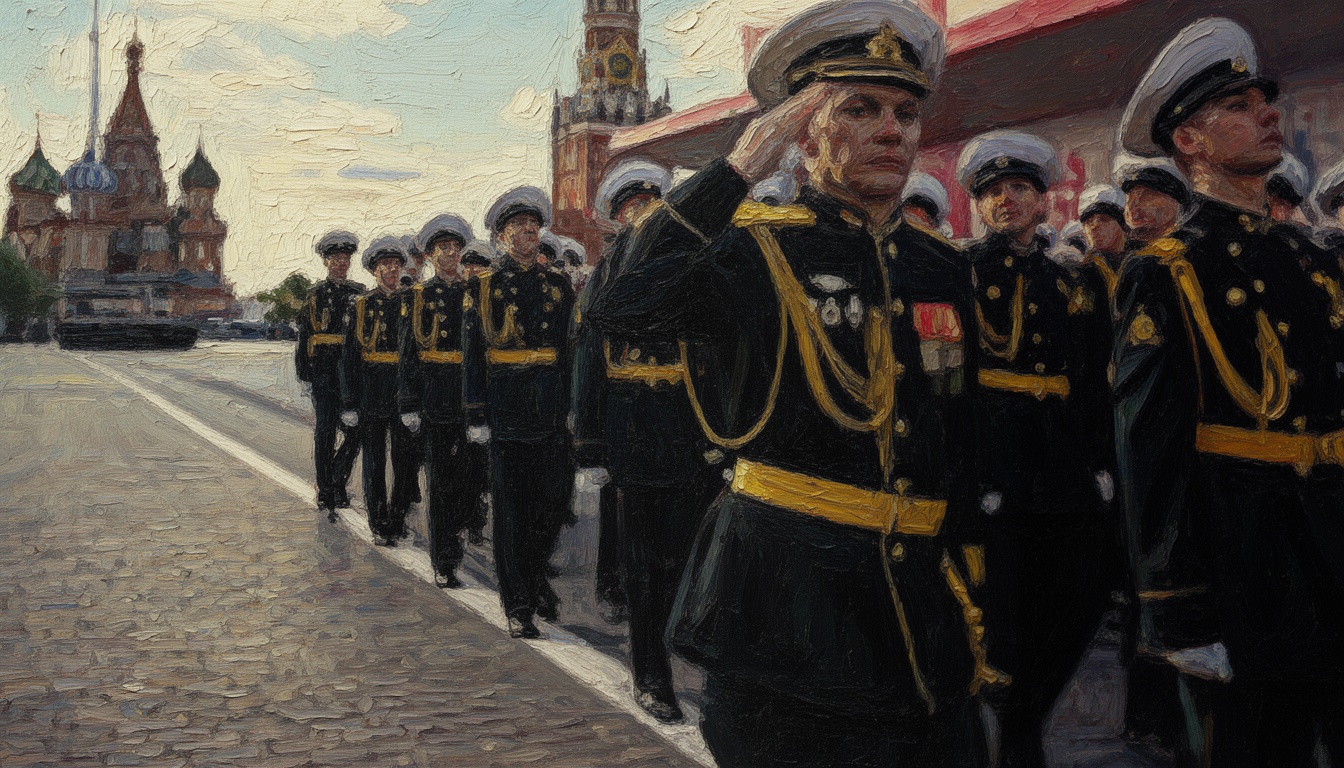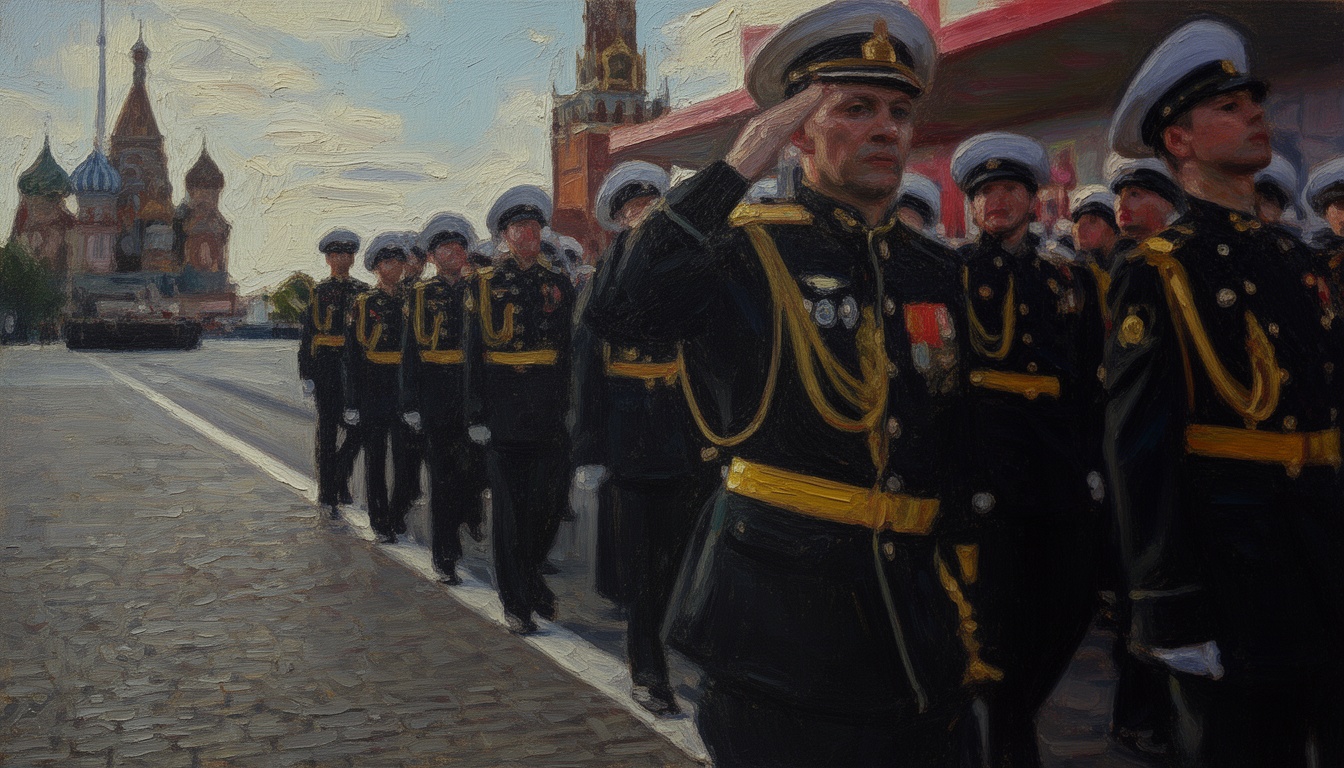
Russia has announced significant changes to its annual Victory Day parade, traditionally held on May 9, which commemorates the Soviet Union's victory in World War II. The Kremlin has stated that this year's event will not include military vehicles or cadets, citing a perceived threat stemming from ongoing tensions with Ukraine. This decision marks a stark deviation from previous years, where military displays were a central feature of the celebrations.
The Victory Day parade is a vital component of Russian national identity, showcasing military might and historical pride. It typically features an array of armored vehicles, missiles, and warplanes, along with thousands of troops marching through Moscow's Red Square. The absence of such displays this year suggests a shift in focus, as Russia grapples with the complexities of its current security environment, exacerbated by the ongoing conflict in Ukraine.
Strategically, this alteration can be seen as an attempt to recalibrate public perception and maintain domestic stability in light of potential threats. By omitting large-scale military displays, the Kremlin might aim to mitigate public anxiety about the situation in Ukraine and emphasize a narrative of prudence over provocation. The alteration raises questions regarding future military engagements and the overall security posture in the region.
The last few years have seen a buildup of military capability as tensions with Ukraine escalated post-2014, particularly following Russia's annexation of Crimea. This year, instead of showing off its military strength, Russia may be focusing on bolstering its deterrent posture without provoking further conflict. Economic factors may also play a role, as maintaining large military displays can be resource-intensive.
In conclusion, the decision to scale back the Victory Day parade's military aspects underscores the increasing complexity of Russia's security challenges. It reflects a desire for restraint in military displays while highlighting a precarious balance between showcasing state power and addressing potential threats. Observers will be keen to assess how this decision resonates within Russia and impacts the ongoing situation with Ukraine.