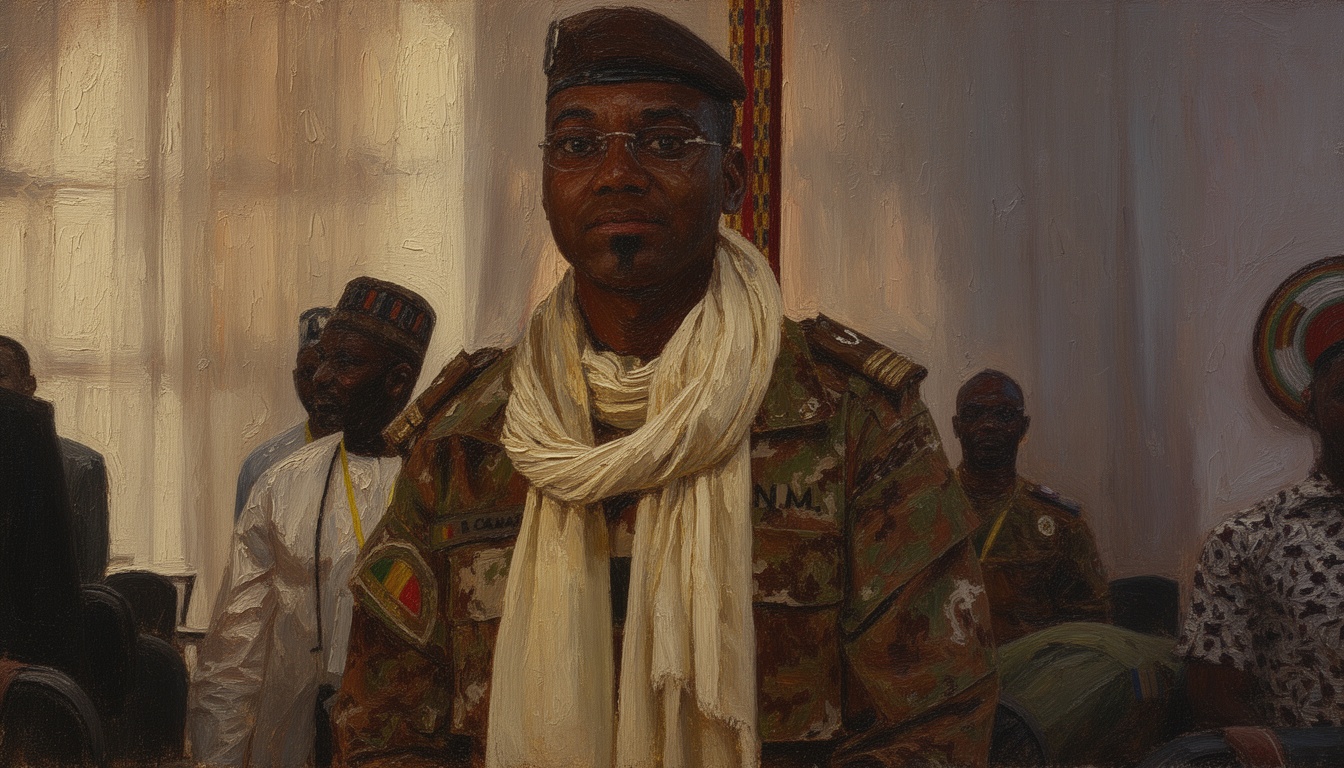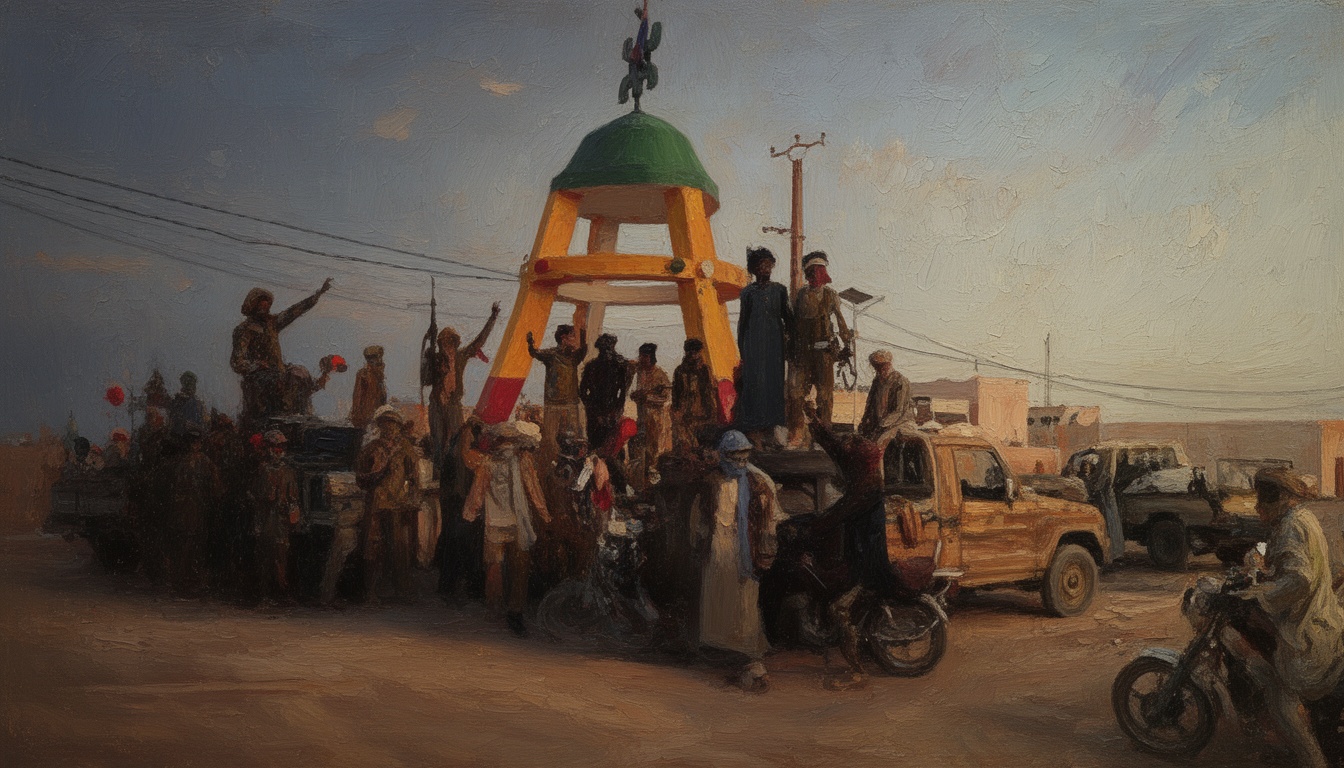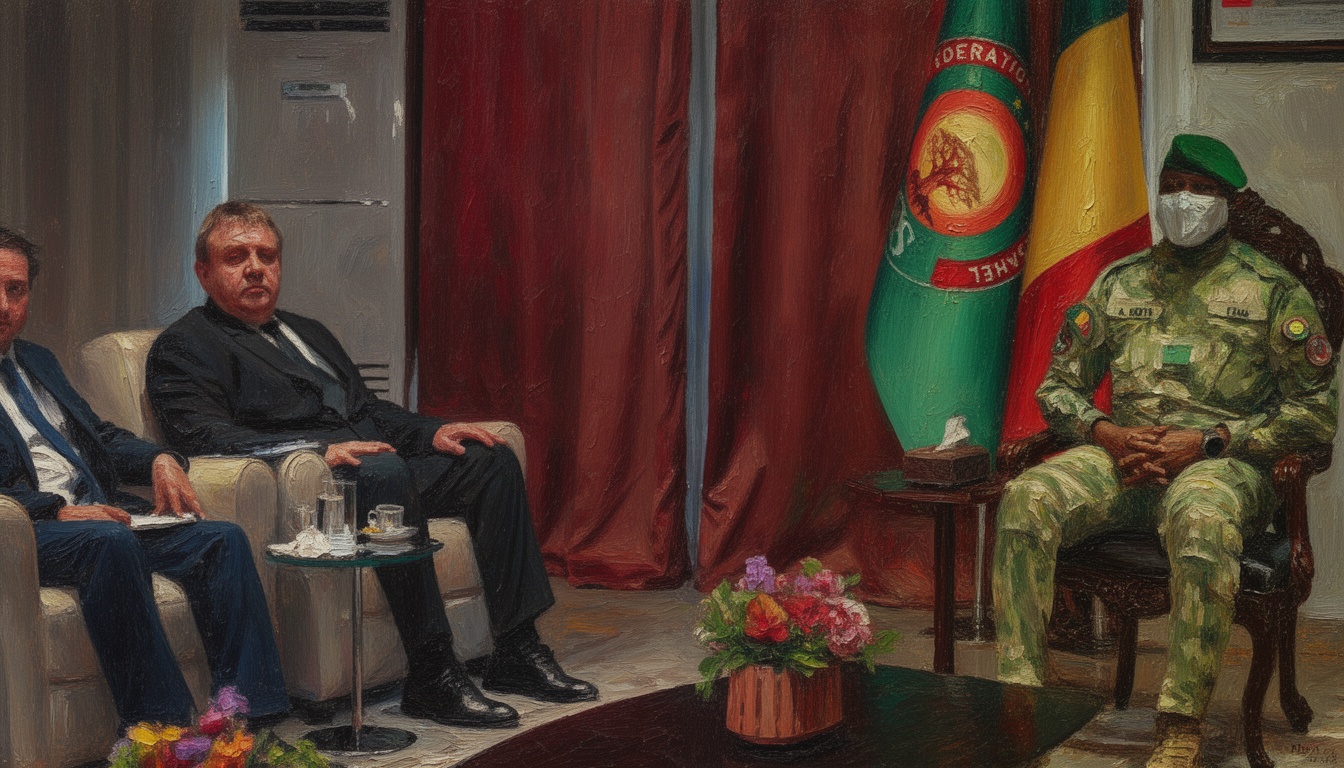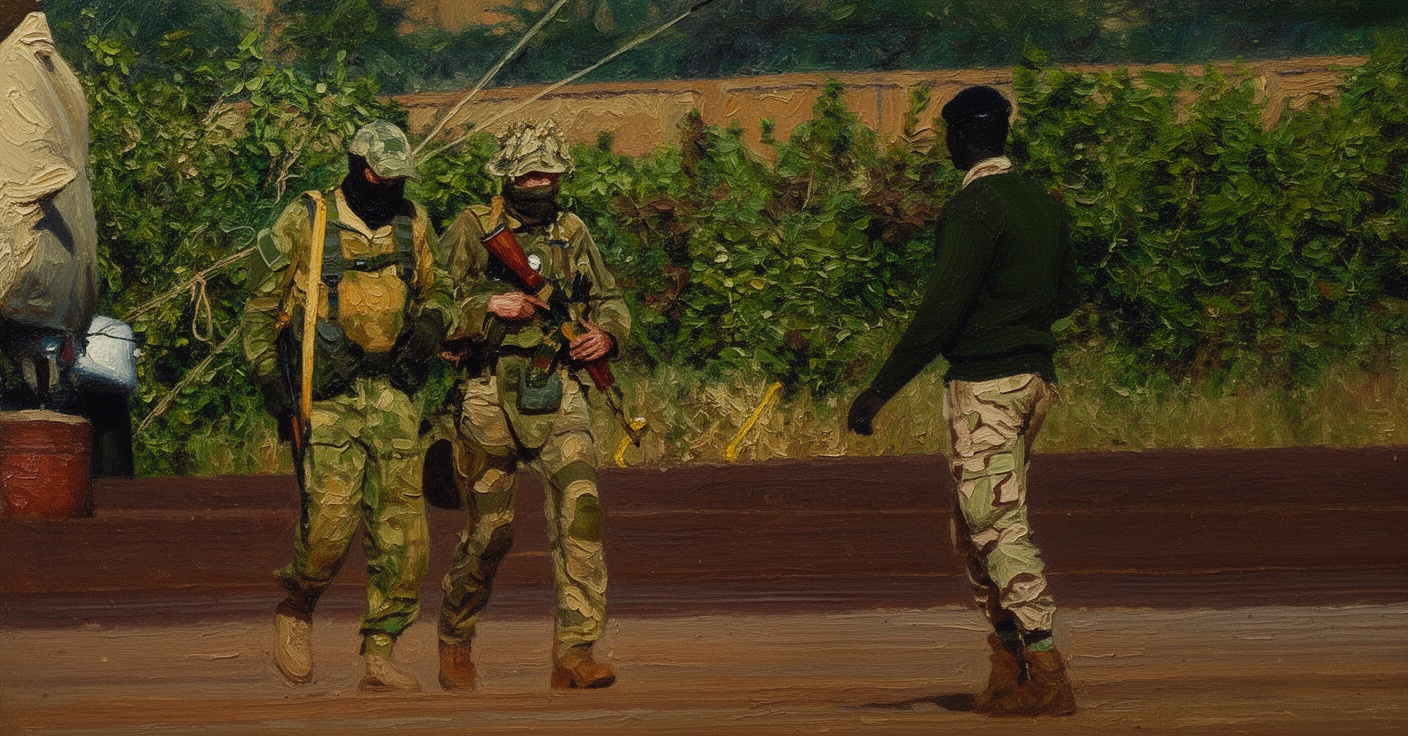
Russia has increasingly solidified its presence in Mali through defense partnerships, significantly influencing the region's security framework. As Mali grapples with ongoing conflicts and instability, Russian military cooperation presents itself as a viable alternative to traditional Western support mechanisms. The presence of Russia's Wagner Group has also been reported, deepening the nation’s military ties while raising alarm among international stakeholders.
Historically, Mali has faced numerous security challenges, including Islamist insurgencies and ethnic conflict, prompting it to seek out foreign military assistance. The shift towards cooperation with Russia signifies a potential pivot from Western influence to a new geopolitical alignment within the Sahel. As the country engages with Moscow, it reflects a growing trend where nations seek to diversify their military partnerships amidst perceptions of diminishing Western commitments.
The strategic significance of Russia's involvement in Mali contributes to a broader narrative of increasing Russian influence in Africa, which aims to counterbalance Western presence on the continent. This move has also sparked concerns regarding the humanitarian implications of Moscow's military approach, particularly when compared to more traditional forms of international assistance. As such, the geopolitical landscape in the Sahel may shift significantly depending on the success of Russian partnerships and their impact on regional security.
Operationally, the partnership with Russia brings questions about the capabilities and practices of the Wagner Group, which has been implicated in various human rights abuses across Africa. The group's methods and operational tactics may influence not only Mali's immediate security but could also have reverberating effects throughout the Sahel region. Thus, the involvement of Russian military contractors complicates the existing security landscape and poses a challenge to the international community's efforts to stabilize the area.
Looking ahead, the trajectory of Mali's relationship with Russia may determine the future of security cooperation in the Sahel. If Moscow continues to expand its military presence and partnerships, it could exacerbate tensions by undermining existing international security frameworks. Observers should closely monitor this evolving dynamic, as the long-term implications of Russian involvement could fundamentally alter the balance of power and response strategies in a region already fraught with instability.