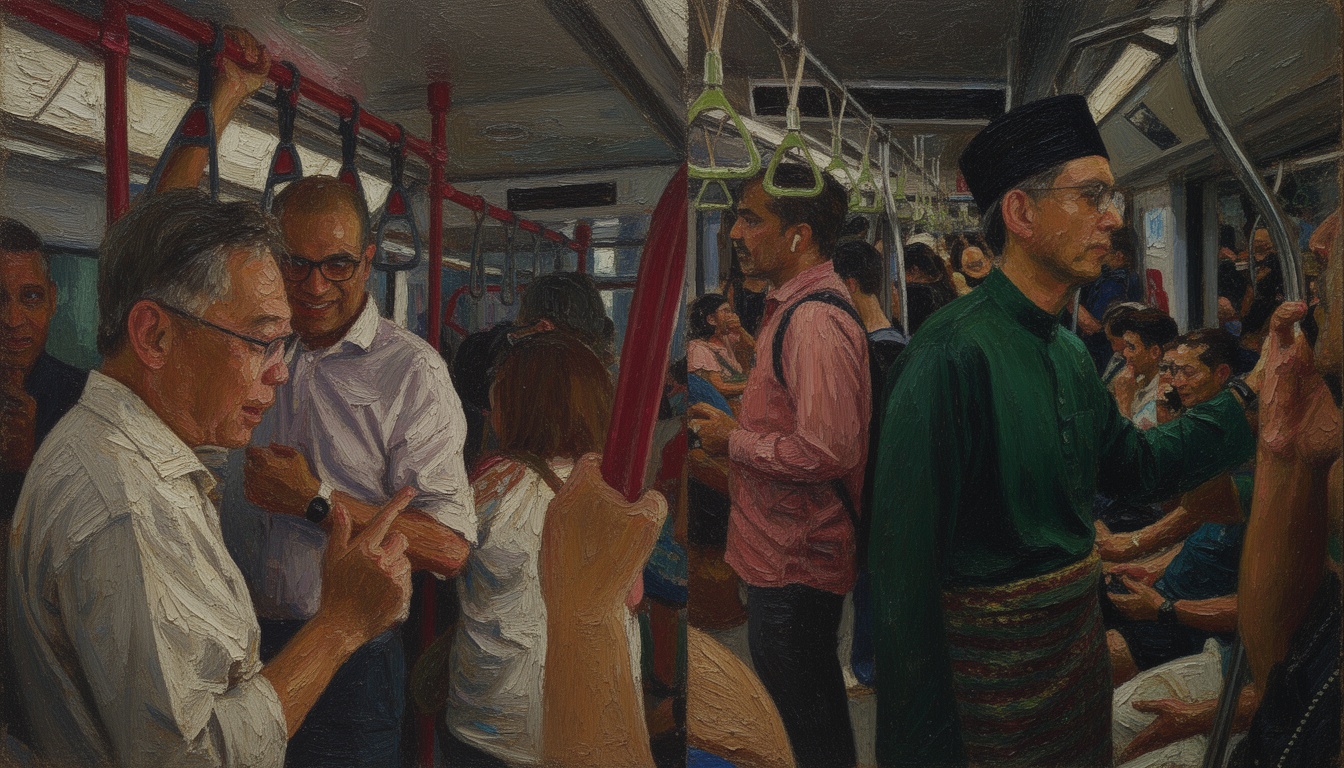
Singapore's political leaders have drawn mixed reactions online after a series of public transport rides were showcased across social media platforms. Following a ministerial statement by Deputy Prime Minister Gan Kim Yong on April 7, which urged citizens to use public transport during the ongoing global energy crisis, various cabinet ministers and members of parliament shared their experiences on public transport. This has sparked a debate regarding whether such actions are genuine leadership examples or merely political showmanship meant to resonate with the public.
Historically, public transport in Singapore has been an integral part of the nation’s infrastructure and civic lifestyle. The call to use it more frequently, especially during times of heightened energy costs, reflects deeper themes in governance, such as sustainability and resource conservation. Politicians riding public transport aligns their messages with public sentiment during challenging times, inviting citizens to share the experience.
The strategic significance of this initiative cannot be overlooked. By publicly engaging in common civic activities, political leaders aim to enhance relatability and foster a sense of unity with the populace. However, the contrasting opinions on social media—ranging from praise for their commitment to environmental consciousness to accusations of insincerity—highlight a deeper sociopolitical divide in public perception of leadership in Singapore.
Technically, sharing such experiences is a demonstration of leveraging social media for political engagement. Detailed public posts effectively reach a wide audience, providing politicians with a platform to foster dialog and collect feedback. The move unveils the importance of social media as a tool for influence and outreach in modern governance, particularly in a digital-savvy nation like Singapore.
Looking ahead, the potential consequences of these public transport rides may influence both future political strategies and citizens' behavior. The dialogue sparked by this initiative could lead to increased public transport usage and deeper discussions on energy conservation in Singapore. Furthermore, how these actions are perceived may shape the political landscape and voter sentiment within the country, positioning public transport and environmental issues as pivotal points in upcoming electoral conversations.