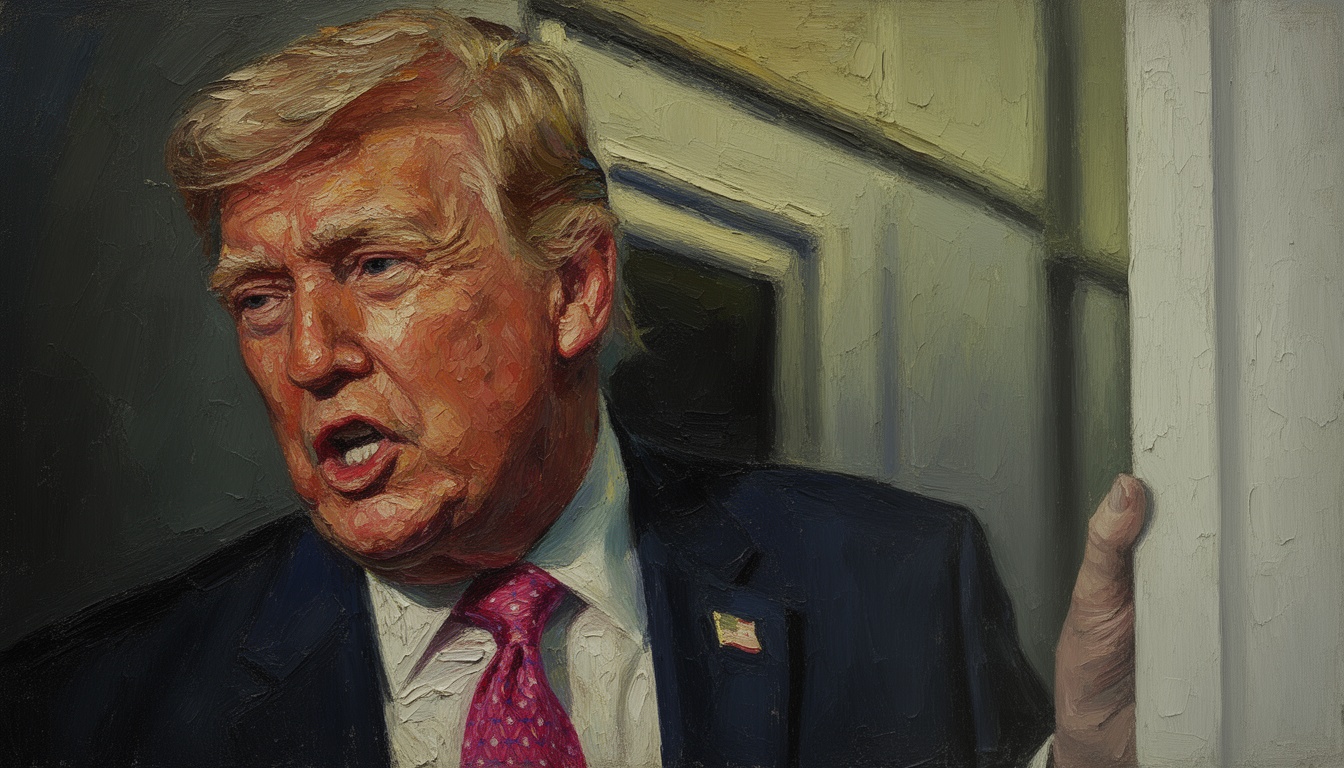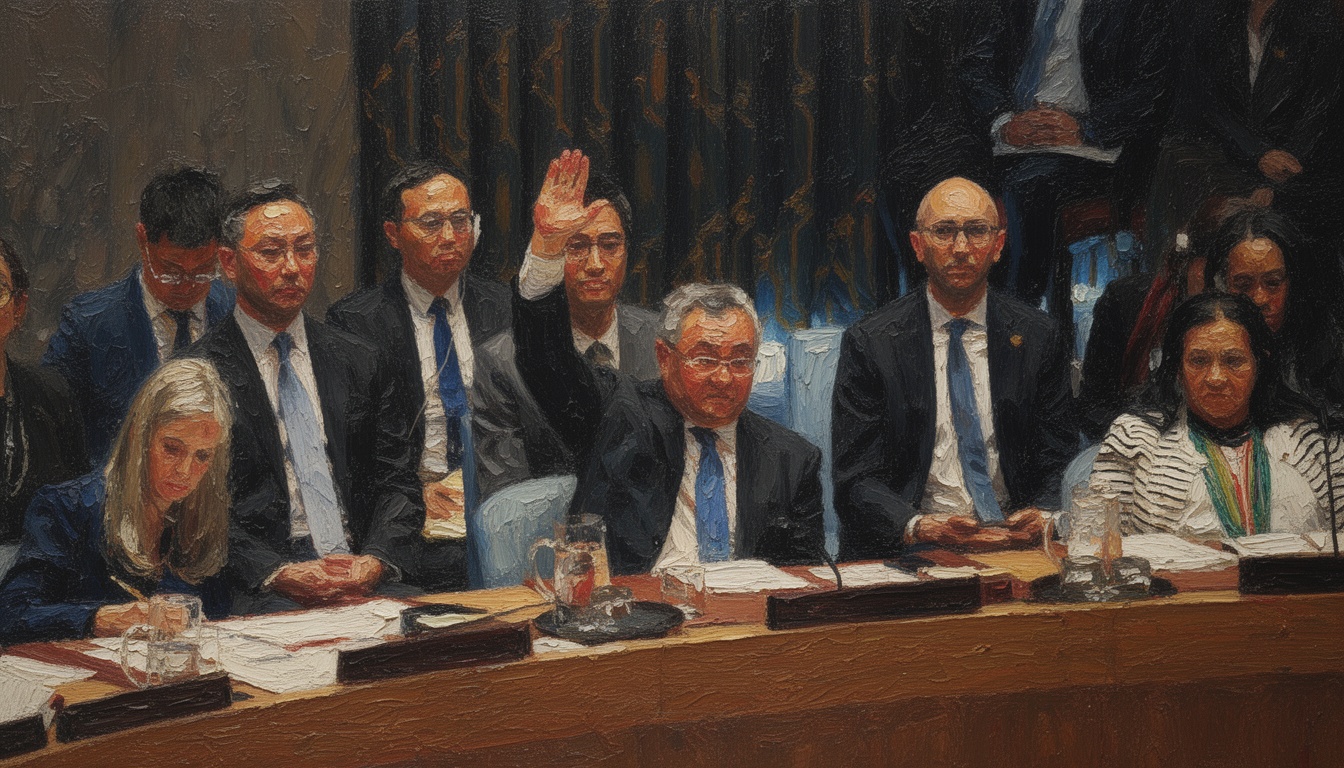
Former US President Donald Trump has issued a stark warning to Iran, urging the nation to reconsider its approach in ongoing negotiations. His comments are part of a broader critique of Iran’s proposals, which have been labeled inadequate, particularly as discussions regarding a potential nuclear agreement remain stalled. Trump's declaration on social media suggests a shift toward a more confrontational stance as uncertainty looms over the fragile ceasefire in the region.
This warning follows a pattern of escalating tensions between the US and Iran, especially regarding Tehran's nuclear ambitions. Negotiations aimed at reviving the Joint Comprehensive Plan of Action (JCPOA) have faced significant setbacks, with both sides expressing frustration over the stalemate. The current geopolitical climate hinges on how Iran responds to the pressures of international diplomacy, especially from major powers looking to stabilize the region.
Strategically, Trump’s remarks reflect a potential recalibration of US foreign policy towards a more hardline approach on Iran. This could influence the dynamics of regional partnerships and alliances, as countries align themselves either in support of or against US pressure on Iran. The fallout from this rhetoric could ripple through the already tense Middle East landscape, further complicating an already volatile situation.
Operationally, any miscalculation or refusal to engage by Iran could lead to heightened military readiness among US forces and allies in the region. US defense officials have signaled that they remain vigilant against any provocative actions from Iran, with the potential for enhanced deterrence measures on the table if negotiations fail to resume constructively.
The implications of Trump's warning could set a precedent for future diplomacy, potentially discouraging further engagement if Iran's leadership perceives the US approach as aggressive. Assessing the probability of an escalation in military tensions will hinge on Iran’s response in the coming weeks, amidst the backdrop of fragile regional security agreements dependent on diplomatic resolutions.