
LANDORTAACTIVE
Skyguard/Aspide Air Defense System
SİSTEM GENEL BAKIŞI
Pakistan operates the SPADA 2000 (Selenia Point And area Defense Alerting), an Italian medium-range SAM system developed by MBDA/Alenia Marconi. It uses the Aspide 2000 semi-active radar homing missile with a 25 km engagement range against aircraft and cruise missiles. The system is fully mobile with engagement radar, command post, and launcher vehicles on wheeled trucks. Pakistan procured SPADA 2000 in 2009 to fill a mid-tier air defence gap between short-range systems (RBS-70, FM-90) and the long-range HQ-9/P. The system complements Crotale NG for area defence of military installations.


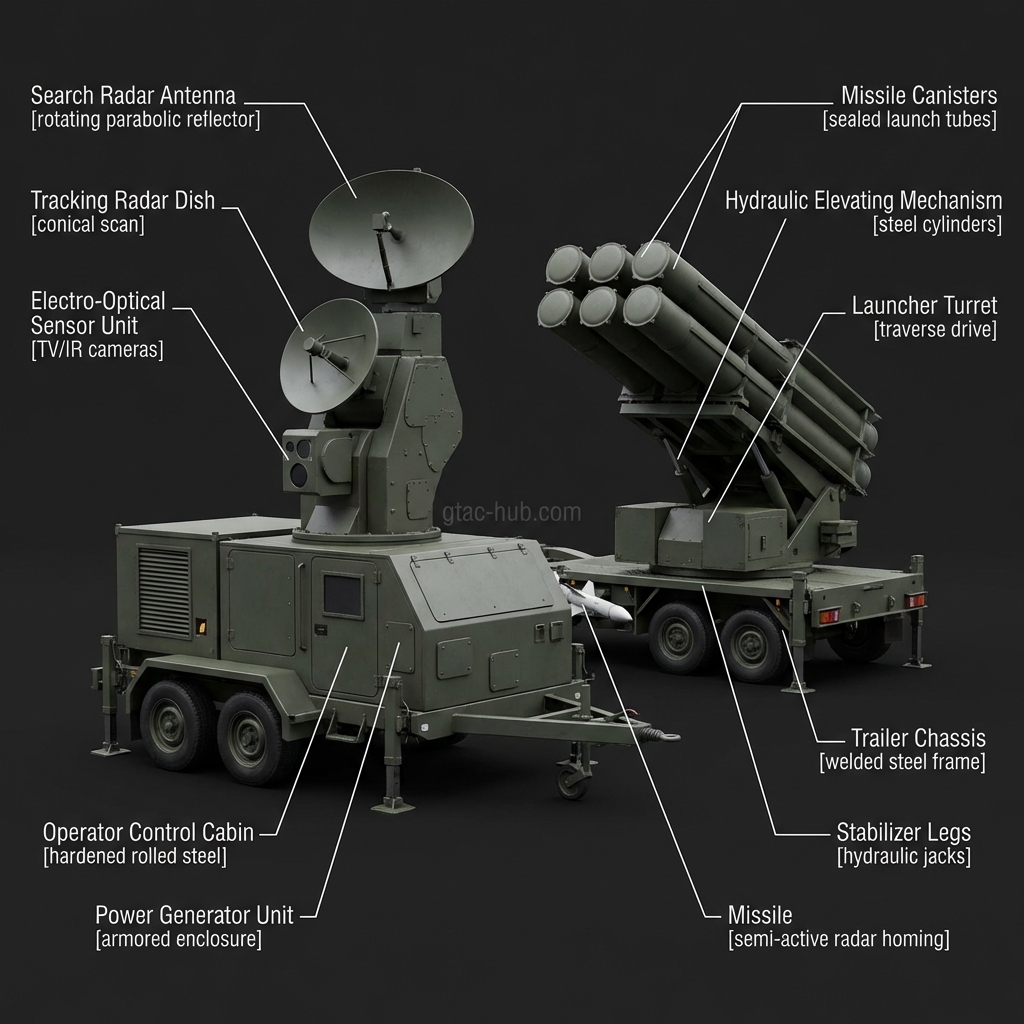
TAM BOYUTU GÖRÜNTÜLE
Skyguard/Aspide Air Defense System - Rheinmetall
AVANTAJLAR
- Combined gun and missile system for layered defense
- Aspide missile provides medium-range engagement capability
- 35mm guns effective against low-flying targets
- SPADA 2000 variant uses Aspide 2000 missile — 25 km engagement range
- Fully mobile system for rapid repositioning between defended sites
- Italian-origin proven technology — NATO-compatible IFF standards
DEZAVANTAJLAR
- 1980s technology; Aspide missile is obsolescent
- Semi-active radar homing is vulnerable to ECM
- Limited capability against modern threats (cruise missiles, stealth aircraft)
- Spare parts increasingly scarce
TEKNİK ÖZELLİKLER
GUN35mm Oerlikon Twin Cannons
TYPECombined Gun-Missile Short/Medium-Range Air Defense
MISSILEAspide (Semi-Active Radar Homing, ~25 Km Range)
ENGAGEMENTSimultaneous Gun And Missile Engagement
Discussion & Reviews(1)
Sign in to join the discussion and rate this weapon system
SIGN INBENZER SİSTEMLER
LAND
ORTA
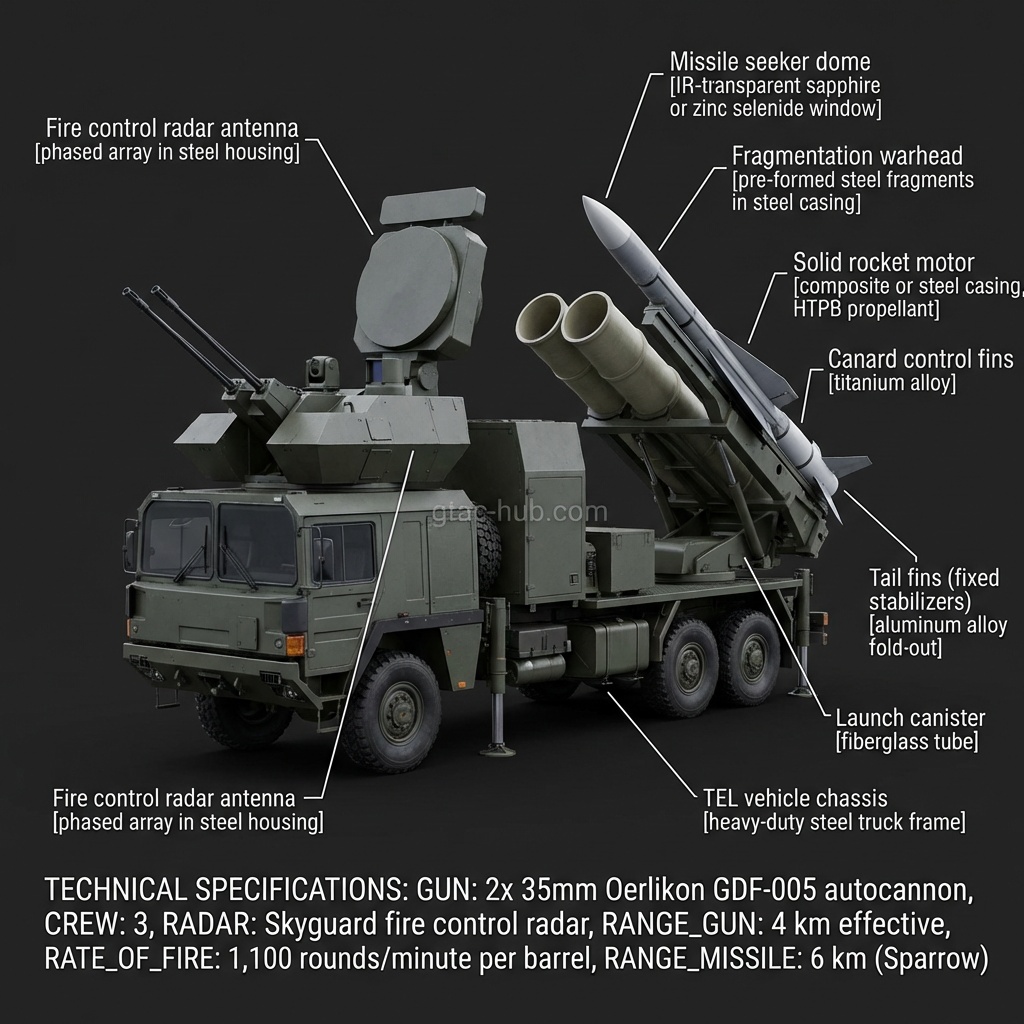
KISA MENZILLI HAVA SAVUNMA SISTEMI
SkyGuard Oerlikon Air Defense
Switzerland
LAND
ORTA
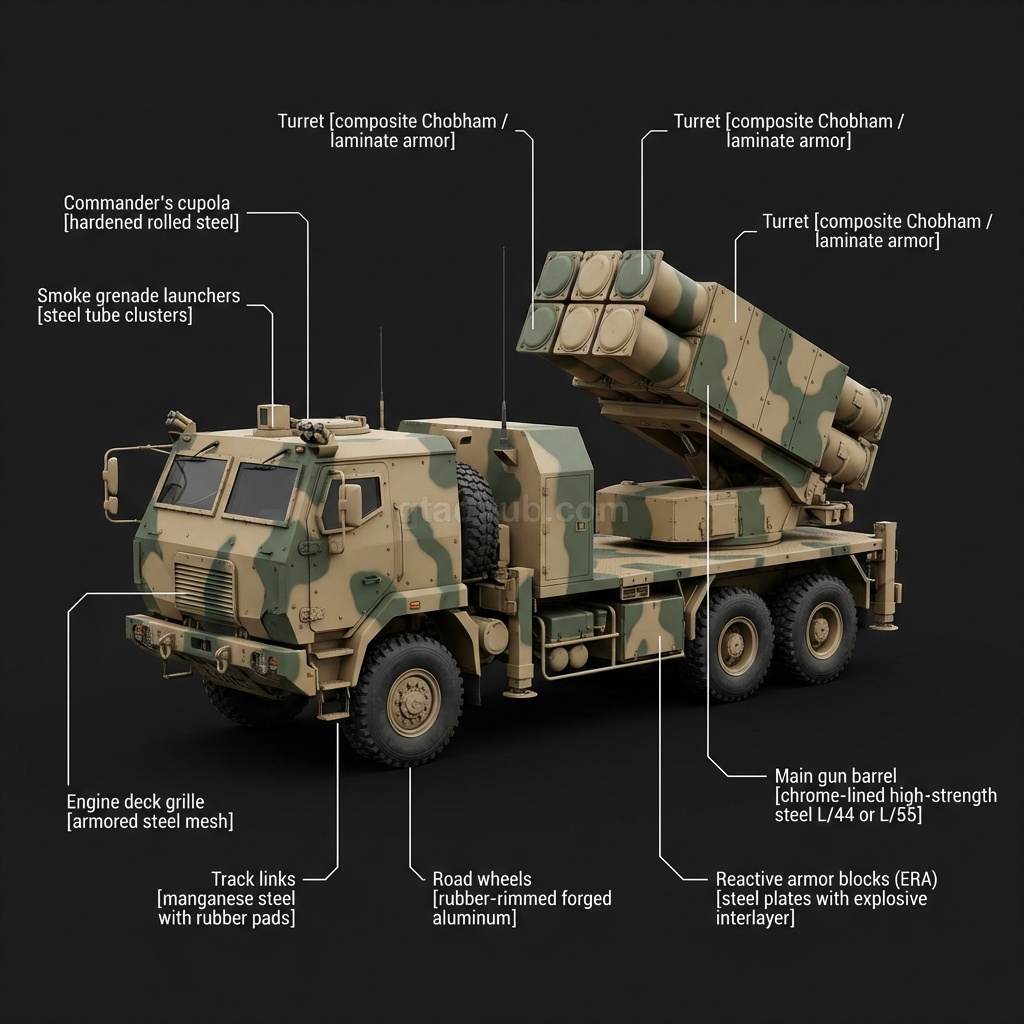
UZUN MENZILLI HAVA SAVUNMA SISTEMI
LIG Nex1 KM-SAM Cheongung II
South Korea
LAND
ORTA
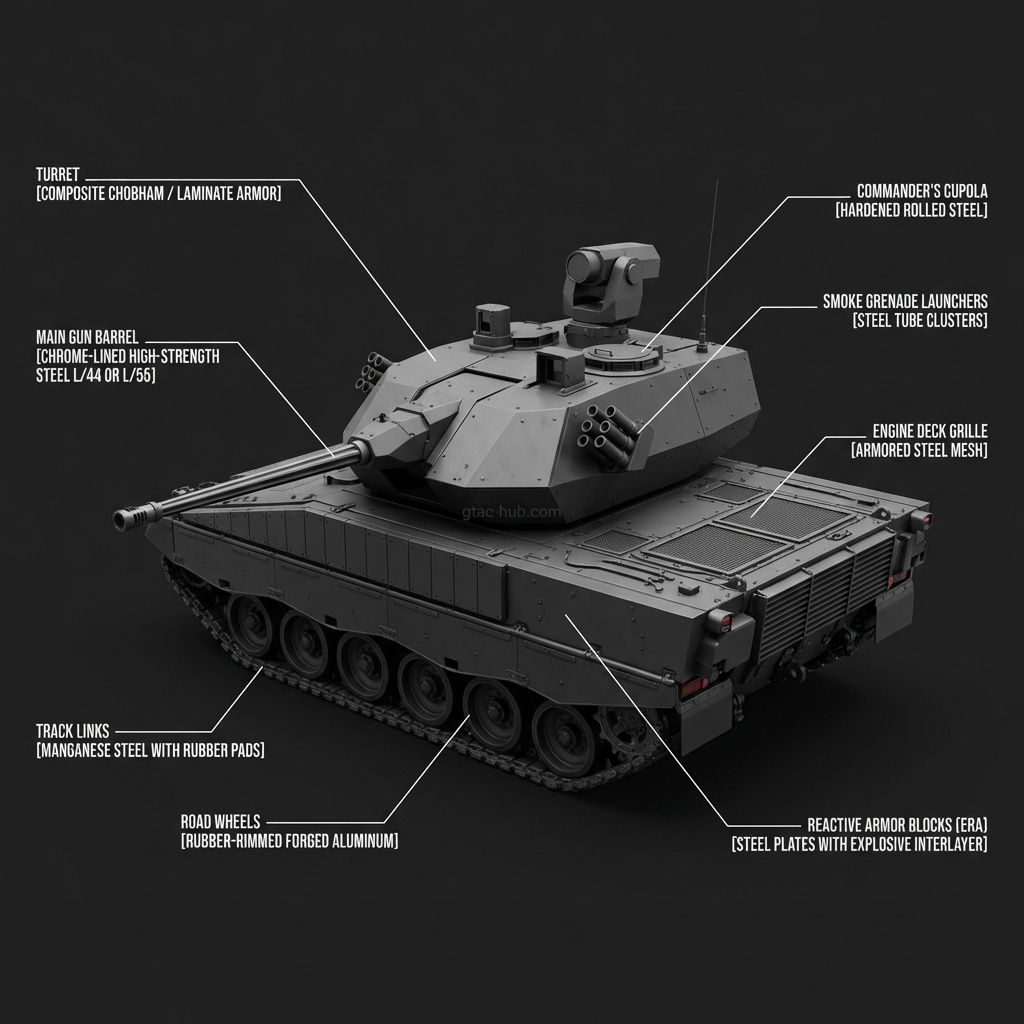
UZUN MENZILLI HAVA SAVUNMA SISTEMI
Skynex
Germany
LAND
ORTA
UZUN MENZILLI HAVA SAVUNMA SISTEMI
M-SAM Cheongung II (Cheolmae-II)
South Korea
Range and payload figures here are impressive but the basing requirements limit operational flexibility considerably.