Advanced rotary-wing unmanned aerial vehicle designed for maritime and land-based intelligence, surveillance, reconnaissance (ISR), and fire support missions. The Skeldar V-200 features a helicopter configuration with contra-rotating rotors eliminating the need for a tail rotor, maximum takeoff weight of 235 kg, endurance exceeding 5 hours, operational ceiling of 20,000 feet, and automatic takeoff/landing capability enabling operations from small ships in high sea states. Payload capacity of 40 kg supporting electro-optical/infrared gimbal cameras, maritime search radar, laser designator, electronic warfare sensors, and communications relay equipment. The heavy-fuel engine (JP-5/JP-8/diesel) provides operational flexibility and safety on naval vessels. Autonomous flight modes including waypoint navigation, automatic target tracking, and perch-and-stare surveillance. The Skeldar provides persistent ISR capability from small surface combatants (corvettes, patrol vessels) without requiring large flight decks or hangars. Successfully demonstrated launching laser-guided munitions, providing precision strike capability. Operated by Swedish Armed Forces with exports to undisclosed customers. Represents the future of small-ship aviation where unmanned systems replace manned helicopters for routine ISR missions.


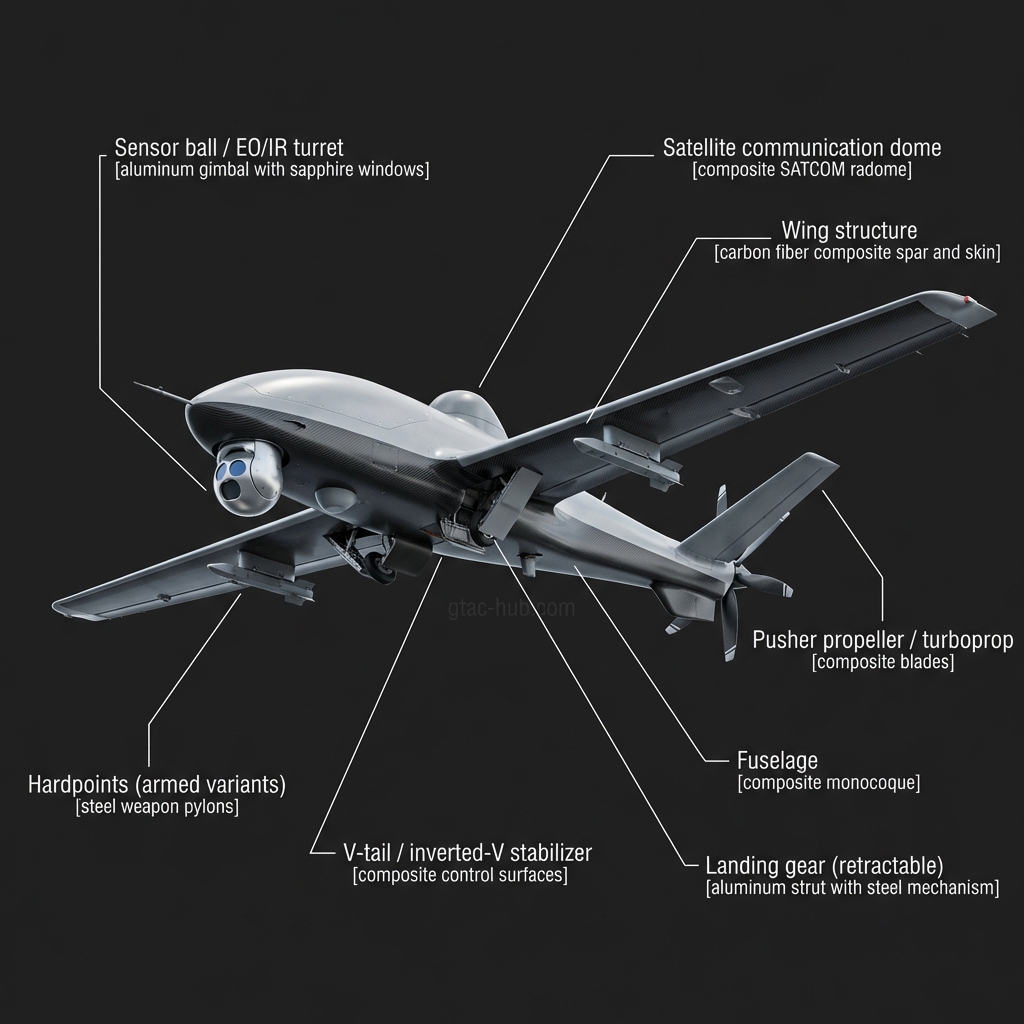
- VTOL capability enables operations from small ships and confined areas
- Modular payload supports ISR, maritime patrol, and SIGINT
- Fully autonomous takeoff, flight, and landing
- Swedish-made; supports sovereign UAV capability
- Limited endurance compared to fixed-wing UAVs
- Small payload capacity restricts sensor options
- No armed capability
- Limited operational track record in combat environments
Sign in to join the discussion and rate this weapon system
SIGN INNo comments yet. Be the first to share your analysis.