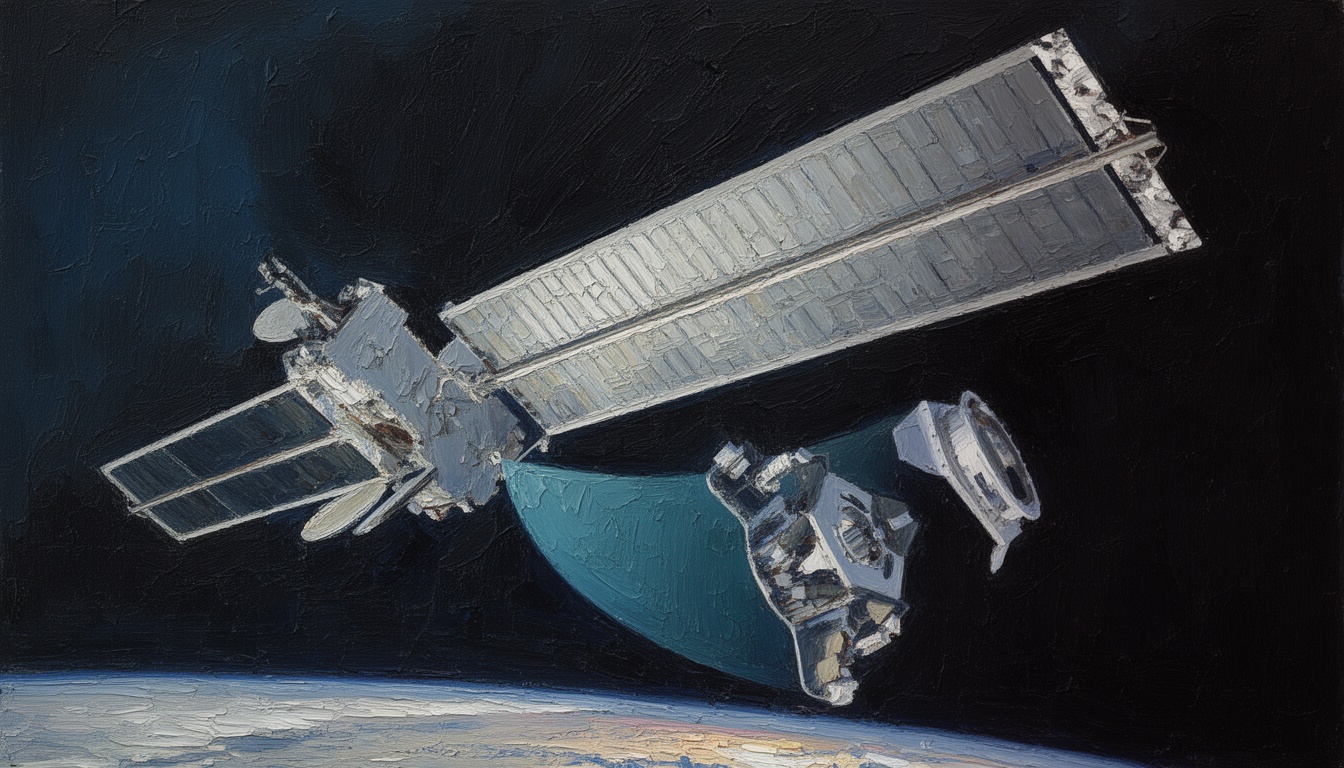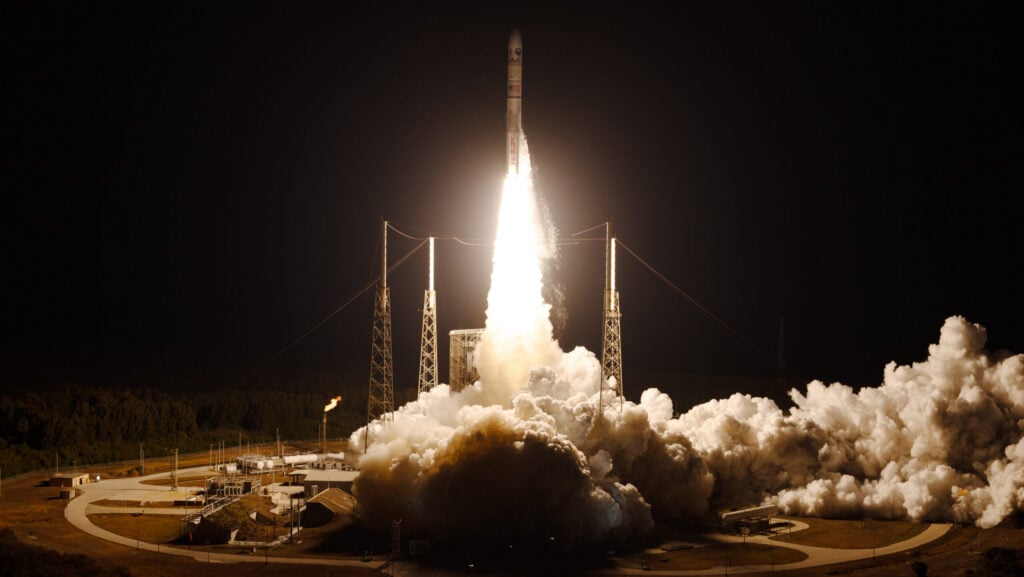
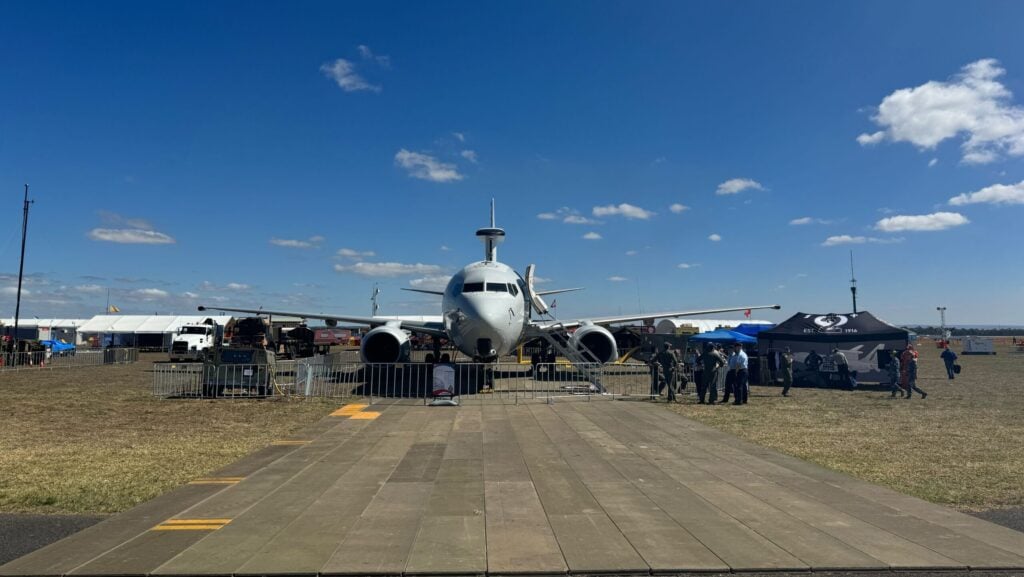
The U.S. Space Force is leveraging a significant funding increase to expedite the deployment of satellite systems specifically designed for tracking aircraft and missiles. General Chance Saltzman, the Space Force chief, emphasized that the existing groundwork laid for ground target tracking will expedite the Anti-Access/Area Denial (A2/AD) Missile Tracking Initiative (AMTI) capabilities into orbit. This development signifies a pressing need for advanced surveillance systems, particularly as global military capabilities evolve and rivals expand their arsenals.
Historically, the Space Force's establishment was a direct response to threats emerging from rivals like China and Russia, both of which have rapidly advanced their military space capabilities. The Space Force's focus on satellite systems dates back to its formation in December 2019, with a commitment to ensure U.S. superiority in space amid increasing competition. The pressing need for enhanced satellite coverage stems from ongoing geopolitical tensions and the rise of adversarial missile programs, particularly in regions such as the Indo-Pacific and Eastern Europe.
This initiative's significance extends beyond technology; it represents a strategic maneuver to counteract potential adversaries' advancements. As rivals like China develop increasingly sophisticated missile systems and expand their air force capabilities, the need for comprehensive tracking systems becomes paramount. The ability to track aircraft and missiles with precision can inform U.S. defense strategies and preemptively counteract potential threats.
Key actors in this initiative include the Space Force itself, defense contractors, and industries involved in satellite manufacturing. Their motivations are driven by the urgent need to restore U.S. dominance in space technology and engage in competitive deterrence against peer threats. This funding boost signals not only a response to external pressures but also an ambition to lead in the commercialization of space technologies.
The operational details around this initiative point to more than just a simple satellite upgrade. The AMTI capabilities will rely on a constellation of advanced satellites capable of persistent surveillance and quick data dissemination. The U.S. allocates billions in its defense budget annually to develop cutting-edge technologies, with a significant portion now being redirected towards space initiatives in recognition of its pivotal role in modern warfare.
The potential consequences of accelerating this satellite program include enhanced responsiveness to missile threats and improved situational awareness over contested regions. However, this move could also escalate tensions with adversaries, prompting them to bolster their own military satellite networks or engage in counter-space warfare capabilities. The feedback loop of escalating military capabilities could destabilize existing security frameworks by triggering an arms race in space.
Historically, parallels can be drawn to past arms races, particularly during the Cold War, where advancements in satellite technology advanced rapidly amid U.S.-Soviet rivalry. The lesson from history shows that increased military capabilities often lead to miscalculations and heightened risks of conflict, underscoring the importance of transparency and communication amidst this renewed competition.
Looking forward, watching for adversarial responses to these U.S. advancements will be critical. Intelligence indicators will include the development of counter-measures by rival nations, potential new military satellite launches, and changes in military doctrine regarding the use of satellite systems in warfare. Continuous monitoring of technological advancements will be paramount to understanding the shifting balance of power in space security dynamics.